


Legally Reviewed by Michael Damaso on August 28, 2026
Placing a family member in a nursing home or assisted living facility is one of the hardest decisions a family can make. You trust the staff there to provide attentive, compassionate care. When that trust is broken through abuse, neglect, or mistreatment, the consequences can be severe, and families often do not know where to turn.
At Wooten, Kimbrough, Damaso, and Dennis, P.A., our Orlando personal injury attorneys have represented nursing home abuse victims and their families for decades. We handle these cases on a contingency fee basis, meaning you pay nothing unless we recover compensation for you. If you believe someone in your care is being harmed, we want to hear from you.
⚠ Time-Sensitive, Florida Law Limits Your Window to File
Florida’s nursing home abuse statute of limitations is generally 2 years from the date of the incident. If abuse was concealed, you may have 2 years from discovery, but no more than 4 years from the injury date. The clock is running.
Over 60 years of experience. Millions recovered for injured Floridians. Board-certified trial attorneys. No fees unless we recover compensation for you.
How Common Is Nursing Home Abuse?
Abuse and neglect in care facilities is far more widespread than most families realize. According to the National Council on Aging, approximately one in ten Americans aged 60 and older has experienced some form of elder abuse. Researchers also estimate that only one in 24 cases is ever reported to authorities, meaning the true scale of the problem is significantly larger than official numbers suggest.
Understaffing is one of the most frequently cited contributors to abuse and neglect. When facilities cut corners on staffing or fail to properly train the people they hire, residents suffer. The individuals most vulnerable are often those who cannot speak for themselves, whether due to cognitive decline, physical limitations, or fear of retaliation.
Types of Nursing Home Abuse and Neglect
Abuse in care facilities does not always look the way people expect. Some forms are physical and visible, while others are harder to detect. Common types include:
- Physical abuse such as hitting, restraining, or rough handling
- Emotional or verbal abuse including threats, intimidation, or humiliation
- Sexual abuse or unwanted contact
- Financial exploitation or theft of a resident’s funds and assets
- Neglect including failure to provide food, water, hygiene, or necessary medication
- Medical neglect resulting in untreated infections, bedsores, or worsening conditions
Warning Signs to Watch For
Recognizing that something is wrong early can protect a resident from continued harm. Physical warning signs include unexplained bruising, pressure sores, sudden weight loss, poor hygiene, and signs of dehydration. Behavioral signs include withdrawal from social activities, visible fearfulness around certain staff members, and sudden changes in alertness or mood.
Financial warning signs such as missing personal belongings, unexplained bank withdrawals, or changes to legal documents can indicate exploitation. If you notice any of these signs during visits, documenting what you observe and contacting an attorney can help you determine whether legal action is appropriate.
How We Investigate Nursing Home Abuse Cases
When we take on a nursing home abuse case, we conduct an independent and thorough investigation. Our legal team knows what Florida nursing homes are required to document, how records must be kept, and what to look for when documentation is altered, incomplete, or suspicious. We obtain medical records, review regulatory compliance, interview witnesses, consult with expert witnesses, and examine facility policies and training records.
We move quickly to preserve evidence because facilities may destroy surveillance footage, incident reports, or maintenance records within days or weeks. Acting fast protects your rights and ensures we can build the strongest possible case.
Laws That Protect Nursing Home Residents in Florida
Nursing home residents in Florida are protected under both federal and state law. The federal Nursing Home Bill of Rights, codified at 42 USC § 1395i-3, establishes minimum standards of care and guarantees residents freedom from abuse, isolation, and the use of physical restraints for discipline or convenience.
At the state level, Florida Statute § 429.28, the Resident’s Bill of Rights, guarantees the right to live free from abuse, be treated with dignity, access community services, and manage personal finances. Facilities that violate these rights may face civil liability in addition to regulatory penalties from the Florida Agency for Health Care Administration (AHCA).
Who Can Be Held Liable
In nursing home abuse cases, liability often extends beyond the individual who committed the harmful act. Nursing home staff who directly engage in abusive behavior carry direct liability. Management may be held responsible if it failed to properly train, supervise, or vet staff, or if it ignored or covered up signs of abuse. Facility owners may be liable if systemic issues such as chronic understaffing or inadequate resources created the conditions for harm. Third-party contractors such as those providing medical or custodial services may also share responsibility.
Our attorneys investigate all of these potential defendants when building a case, ensuring we identify all available sources of recovery on your behalf.
Statute of Limitations for Florida Nursing Home Abuse Cases
Under Florida Statute § 400.0236, the statute of limitations for nursing home negligence and abuse claims is two years from the date the incident occurred. If the abuse was actively concealed, you may have two years from the date it was or reasonably should have been discovered, but in no case more than four years from the date of injury. Wrongful death claims arising from nursing home abuse must be filed within two years of the date of death.
Missing these deadlines is irreversible. Acting quickly allows our attorneys to preserve records, interview staff, and gather evidence before facilities have the opportunity to dispose of documentation.
Frequently Asked Questions
How do I know if my family member has a valid nursing home abuse claim?
If your family member has suffered physical harm, financial exploitation, or deteriorating health due to neglect or mistreatment at a Florida care facility, you may have a valid claim. Signs such as unexplained injuries, sudden weight loss, bedsores, or withdrawn behavior, combined with evidence of inadequate staffing or poor facility conditions, often support a legal case. A free consultation with our attorneys can help you evaluate the specific facts.
What is the deadline to file a nursing home abuse claim in Florida?
Florida’s statute of limitations for nursing home abuse and neglect claims is generally two years from the date of the incident. If the abuse was concealed, you may have two years from discovery, but no more than four years from the injury date. Wrongful death claims must be filed within two years of the date of death. These deadlines are strictly enforced, acting quickly is essential.
How much does it cost to hire a nursing home abuse attorney?
Our firm handles nursing home abuse cases on a contingency fee basis. There is no upfront cost, we only collect a fee if we recover compensation on your behalf. You can discuss your situation with our attorneys at no charge.
Can I file a claim if a nursing home resident has passed away?
Yes. When nursing home abuse or neglect results in a resident’s death, eligible surviving family members may pursue a wrongful death claim. Damages may include medical expenses prior to death, funeral and burial costs, lost income, and loss of companionship. The two-year wrongful death statute of limitations runs from the date of death.
Should I report the abuse to a government agency in addition to contacting an attorney?
Yes. You may report suspected nursing home abuse to the Florida Agency for Health Care Administration (AHCA) at ahca.myflorida.com. AHCA investigates complaints and has authority to penalize facilities. A report to AHCA does not substitute for a civil lawsuit, but AHCA investigation records can sometimes support a legal claim. Our attorneys can advise you on coordinating both processes.
What if I suspect financial exploitation specifically?
Financial exploitation, including theft, fraud, or manipulation of a resident’s assets, is a recognized form of elder abuse under Florida law. If you suspect exploitation, document any irregularities in bank records, property ownership, or legal documents and contact our attorneys. We investigate these cases alongside physical and medical neglect claims and can help you understand the full scope of what may have occurred.
Contact Wooten, Kimbrough, Damaso, and Dennis, P.A.
Our attorneys have been fighting for the rights of injured Floridians since 1966 and approach every nursing home abuse case with the seriousness it deserves. If you believe a family member is being harmed in a nursing home or assisted living facility in Orlando or Central Florida, do not wait. Fill out our contact form today to schedule a free, confidential consultation with our legal team.
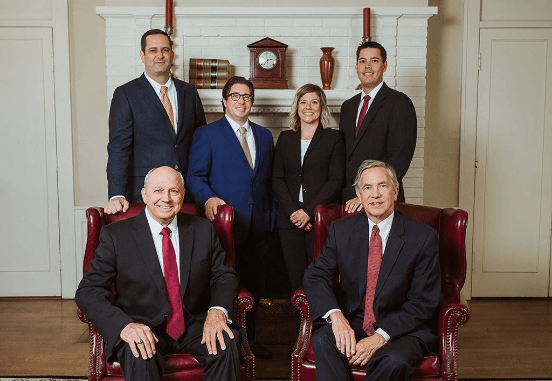
Legally Written and Reviewed by a Managing Partner
Wooten, Kimbrough, Damaso, and Dennis, P.A.
Our content is written and reviewed by our founding attorneys Butch Wooten, Orman Kimbrough, Mike Damaso, and Tom Dennis. Helping the injured since 1966, they’ve successfully handled thousands of personal injury cases across Florida. Whether you’re a Florida resident or an out-of-state visitor injured in Florida, we’re dedicated to providing clear and reliable information to help you navigate your legal options confidently.