

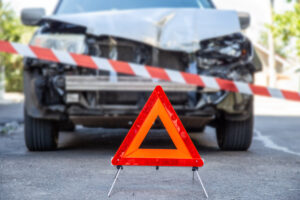
Not every crash scene comes with a clear paper trail. Witnesses may leave before giving statements, dashcam footage may not exist, and police reports are sometimes incomplete, leaving injured drivers wondering how they can possibly build a solid case. The good news is that limited physical evidence at the scene does not necessarily mean limited options for recovery, and Florida law still provides meaningful pathways to establishing fault.
At Wooten, Kimbrough, Damaso, and Dennis, P.A., we have been helping injured Floridians navigate complex personal injury cases since 1966. Our firm has the highest ranking for Orlando injury lawyers in the Best Law Firms report by U.S. News and World Report, and our attorneys are board-certified by the Florida Bar in civil trial litigation. When evidence is scarce, we know how to build a case from the ground up.
What Florida Law Requires You to Prove
If you are pursuing a Florida car accident claim, the legal standard requires showing that another party’s negligence caused your injuries. That means demonstrating duty, breach, causation, and damages. While a clear-cut crash with witnesses and video makes that process more straightforward, the law does not require perfection — it requires a preponderance of the evidence, meaning your version of events is more likely true than not.
Florida’s Modified Comparative Fault Standard
Florida shifted to a modified comparative fault system in 2023, meaning you can only recover compensation if you are found to be less than 51% at fault for the accident. This makes it especially important to build the strongest possible case even when the evidence is thin, because the other side may attempt to shift blame onto you. A well-documented claim, even one assembled from secondary sources, can be the difference between full recovery and no recovery at all.
Building a Case Without Traditional Evidence
The absence of a dashcam video or willing witnesses does not mean your case lacks merit. A variety of evidence sources can support your account of the crash, and a skilled attorney knows where to look.
Medical Records as Proof of Impact
First, seek medical care immediately after any crash. Your medical records are among the most powerful tools in a limited-evidence case. Treatment notes, imaging results, and physician assessments document the nature and severity of your injuries, which can help establish the mechanism of impact and indirectly support your account of how the collision occurred. Gaps in treatment, on the other hand, can be used by insurers to argue your injuries were not serious or were unrelated to the crash.
Accident Reconstruction and Expert Testimony
When physical evidence is minimal, accident reconstruction professionals can analyze vehicle damage, skid marks, road geometry, and final resting positions to recreate the sequence of events. Florida courts recognize accident reconstruction as a valid method for proving fault, and expert testimony can carry significant weight in cases where surveillance footage or witness statements are unavailable. These professionals are trained to draw defensible conclusions from limited data.
The Role of Traffic Citations and Police Reports
Even an incomplete police report can help establish the foundation of your claim. Officers may note road conditions, vehicle damage, driver conduct, or other observations that support your version of events. If the other driver received a citation, a police report documenting that violation may serve as supporting evidence of negligence, even if it is not automatically conclusive in court.
How to Strengthen a Limited-Evidence Claim
There are practical steps you can take in the aftermath of a crash to preserve and build your case. Acting quickly matters because evidence can disappear fast, and Florida crash data published by the Florida Department of Highway Safety and Motor Vehicles shows that thousands of crashes occur statewide every year, many without clear fault determination at the scene.
Some key steps that can make a meaningful difference include:
- Photographing the scene: Capture vehicle positions, road conditions, traffic signals, and any visible damage before vehicles are moved.
- Documenting injuries: Photograph visible injuries immediately and again in the days that follow, as bruising and swelling often worsen over time.
- Requesting traffic camera footage: Intersections and highways often have cameras operated by FDOT or local municipalities; this footage must be requested quickly before it is overwritten.
- Preserving all communications: Keep records of any contact with the other driver, insurance adjusters, or witnesses.
The sooner you document and preserve evidence for your personal injury claim, the stronger your position becomes, even if the initial scene offered little to work with.
Contact Wooten, Kimbrough, Damaso, and Dennis, P.A.
When evidence is limited, having the right legal team makes all the difference. The attorneys at Wooten, Kimbrough, Damaso, and Dennis, P.A. have spent more than 60 years building cases for injured Floridians, and we understand that some of the most complex claims begin with the fewest facts on hand. Our firm’s background in civil trial litigation means we know how to investigate thoroughly and fight effectively, whether or not the evidence was obvious from the start.
If you were injured in a Florida car accident and are not sure whether you have a case, we encourage you to get checked out medically first, then reach out to our team. Use our online contact form to tell us what happened, and we will review your situation at no cost to you.
Legally Written and Reviewed by a Managing Partner
Wooten, Kimbrough, Damaso, and Dennis, P.A.
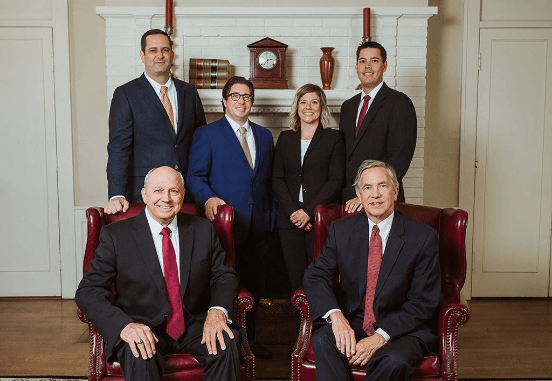
Our content is written and reviewed by our founding attorneys Butch Wooten, Orman Kimbrough, Mike Damaso, and Tom Dennis. Helping the injured since 1966, they’ve successfully handled thousands of personal injury cases across Florida. Whether you’re a Florida resident or an out-of-state visitor injured in Florida, we’re dedicated to providing clear and reliable information to help you navigate your legal options confidently.