


Florida consistently ranks among the most dangerous states in the country for drivers, and Central Florida is among the region’s most high-risk corridors for traffic collisions. The combination of year-round tourist traffic, rapid population growth, aggressive highway expansion, and significant numbers of impaired and distracted drivers creates conditions that lead to serious accidents daily on local roads and highways. According to Florida Highway Safety and Motor Vehicles crash data, Florida recorded over 401,000 traffic crashes in 2022, resulting in more than 3,500 fatalities and hundreds of thousands of injuries. Understanding where car accidents occur most frequently and why they happen gives injured drivers a clearer picture of what went wrong and who may be legally responsible.
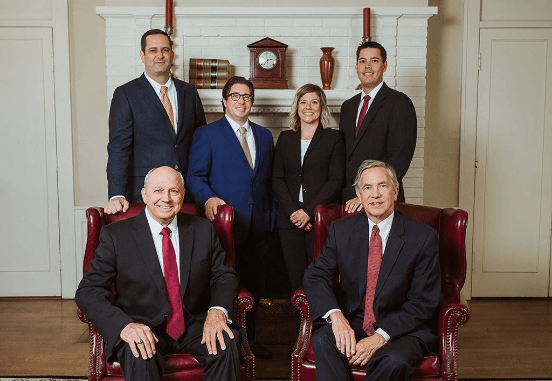
At Wooten, Kimbrough, Damaso, and Dennis, P.A., our attorneys have spent over 60 years representing Central Florida accident victims. With over 100 years of combined experience, our team knows the roads, the risk factors, and the legal frameworks that determine who bears responsibility when those risks result in injuries.
Why Central Florida Roads Are Especially Dangerous
Central Florida’s traffic challenges are unlike those of most American metropolitan areas. The region combines a large permanent resident base with tens of millions of annual visitors who are unfamiliar with local roads, interchange configurations, and traffic patterns. The Interstate 4 corridor from Daytona Beach through Orlando to Tampa has ranked among the most dangerous highway segments in the United States for several consecutive years. High-volume tourist routes near Walt Disney World, Universal Orlando, and the International Drive corridor add daily congestion that creates conditions for rear-end collisions, lane-change accidents, and pedestrian accidents.
Population growth compounds the problem. The Orlando metropolitan area is one of the fastest-growing in the country, and road infrastructure has struggled to keep pace. Areas undergoing rapid commercial and residential development, like the State Road 429 corridor and the State Road 417 beltway, see high speeds combined with construction-zone hazards and driver distraction. The year-round warm climate that draws residents and tourists alike also means that Florida’s roads never see the traffic-calming effect of harsh winter weather that temporarily slows traffic volumes in northern states.
The Most Common Types of Car Accidents in Central Florida
Rear-End Collisions
Rear-end accidents are consistently the most common collision type across Florida. On congested corridors like I-4 and US-192, stop-and-go traffic creates frequent opportunities for distracted or inattentive drivers to fail to brake in time. At highway speeds, rear-end impacts can cause serious whiplash injuries, spinal damage, and traumatic brain injuries even when the vehicles do not appear heavily damaged. Tailgating is a contributing factor in the majority of these collisions, and Florida’s following-too-closely statute makes the trailing driver presumptively at fault in most rear-end scenarios.
Intersection Accidents
Intersections throughout Central Florida’s dense road network are among the most frequent sites of serious T-bone and angle collisions. Running red lights and stop signs, making illegal left turns across oncoming traffic, and failing to yield the right of way are the leading causes of intersection accidents. Orange County, Osceola County, and Seminole County all have intersections that appear repeatedly in crash data as high-frequency collision points. Drivers unfamiliar with the area who do not anticipate signal timing or turn-only lanes are disproportionately involved in intersection accidents near tourist corridors.
Impaired Driving Accidents
Alcohol and drug-impaired driving remains one of the most devastating contributors to serious traffic fatalities in Florida. According to the National Highway Traffic Safety Administration, alcohol-impaired driving accounted for more than 13,500 traffic fatalities nationwide in 2022, representing approximately 32 percent of all traffic deaths that year. In Florida specifically, impaired driving fatalities are concentrated in evening and overnight hours, and the high concentration of bars, entertainment venues, and tourism-related alcohol service throughout Central Florida creates specific local risk. Rideshare availability has helped reduce some impaired driving incidents, but it has not eliminated the problem.
Distracted Driving Accidents
Distracted driving has become one of the most significant causes of traffic accidents in the modern era. NHTSA data shows that distracted driving claimed approximately 3,300 lives nationally in 2022. Florida’s distracted driving law prohibits handheld phone use while driving, but enforcement is challenging, and many drivers continue to use phones for navigation, texting, and social media browsing while operating vehicles at highway speeds. Visual, manual, and cognitive distraction all degrade driving performance, and even brief distractions at highway speeds can result in vehicles traveling hundreds of feet without a responsive driver.
Speeding and Aggressive Driving
Speed is a factor in a substantial portion of Florida’s most serious traffic fatalities. The I-4 corridor, Florida’s Turnpike, and the major beltways around Orlando all see routine speeding that dramatically increases both the likelihood of a crash and the severity of injuries when a collision occurs. Aggressive driving behaviors, including weaving through traffic, tailgating, and failing to maintain lanes, are particularly prevalent during peak commute hours and late-night weekend hours when congestion and impairment intersect with speed.
High-Risk Locations in Central Florida
While accidents occur throughout the region, certain roads and corridors account for disproportionate shares of serious crashes. Interstate 4 remains the most dangerous highway in Central Florida. US Highway 192 running through Osceola County toward the theme park corridor has been consistently identified as one of Florida’s most hazardous roads for both vehicle occupants and pedestrians. Orange Blossom Trail in Orange County has historically been one of the most dangerous surface streets in the state. State Road 50 connecting Orlando with Clermont and Titusville sees high speeds combined with a mix of commercial and residential access points that create frequent turn-related collisions.
Understanding that a crash occurred at a known high-risk location is sometimes relevant to a legal claim. When road design defects, inadequate signage, or failed signal equipment contribute to an accident, the governmental entity responsible for that road may bear some liability alongside any negligent drivers involved.
What to Do After a Central Florida Car Accident
The steps taken in the immediate aftermath of a car accident in Central Florida have real consequences for both your physical recovery and your legal options. The priority is always medical care, even if injuries do not seem severe at the scene. Adrenaline and shock can mask injury symptoms, and some serious conditions, including traumatic brain injuries and internal organ injuries, may not produce obvious symptoms for hours or days.
- Call 911 and wait for a police report. Florida law requires reporting accidents that involve injuries, fatalities, or property damage above a threshold amount. A police report documents the scene, the parties involved, and any citations issued, and it is important evidence in any future claim.
- Photograph everything you can safely document. Vehicle positions, damage, skid marks, traffic signals, road conditions, and any visible injuries should all be photographed before the scene is cleared.
- Collect information from all parties. Driver names, insurance information, vehicle descriptions, and license plate numbers are essential. Witness contact information can be invaluable if liability is disputed.
- Seek medical evaluation promptly. Follow up with a physician even if you are evaluated at the scene and decline ambulance transport. A documented chain of medical care is critical to both your health and your legal claim.
- Contact an attorney before speaking with insurance adjusters. Insurance representatives may contact you quickly after an accident. Recorded statements made before you understand the full extent of your injuries can complicate your claim later.
How Florida’s Insurance Laws Affect Your Claim
Florida is a no-fault insurance state, which means your own personal injury protection (PIP) coverage pays your initial medical expenses and a portion of lost wages regardless of who caused the accident. Florida law requires drivers to carry a minimum of $10,000 in PIP coverage. However, PIP coverage is limited, and serious injuries quickly exceed what PIP can pay. When injuries meet the threshold of permanent injury, significant scarring, or certain other qualifying conditions under Florida law, you can step outside the no-fault system and pursue a claim directly against the at-fault driver and their insurer.
Uninsured and underinsured motorist coverage is particularly important in Florida, which has one of the highest rates of uninsured drivers in the United States. Carrying adequate UM/UIM coverage protects you when an at-fault driver has no insurance or insufficient coverage to compensate you for serious injuries. An Orlando car accident attorney can help you identify every available source of coverage and maximize the recovery available to you.
Frequently Asked Questions About Car Accidents in Central Florida
What is the most common cause of serious car accidents in Central Florida?
The most common causes of serious car accidents in Central Florida include distracted driving, speeding, impaired driving, and failure to yield at intersections. The I-4 corridor and tourist-heavy roads like US-192 and International Drive see disproportionately high crash rates due to a combination of high traffic volume, unfamiliar drivers, and frequent aggressive driving. Rear-end collisions caused by distracted drivers failing to slow for traffic are among the most frequent types, and their injury severity tends to be underestimated because vehicle damage does not always reflect the forces experienced by occupants.
How does Florida’s no-fault insurance law affect my ability to sue after a car accident?
Florida’s no-fault insurance system requires your own PIP coverage to pay your initial medical costs and a portion of lost wages regardless of fault, up to the $10,000 minimum coverage limit. To file a claim against the at-fault driver directly, your injuries must meet Florida’s serious injury threshold, which includes permanent injury within a reasonable degree of medical probability, significant and permanent scarring or disfigurement, or significant and permanent loss of an important bodily function. Most accident victims with injuries that require more than emergency care are able to pursue a direct claim against the at-fault driver once the threshold is met.
How long do I have to file a car accident lawsuit in Florida?
Florida’s statute of limitations for personal injury claims arising from car accidents is two years from the date of the accident under Florida Statutes §95.11(3)(a). This two-year window applies to lawsuits against individual drivers and their insurers. Claims against governmental entities, such as cases involving road design defects or signal malfunctions, may have shorter notice requirements. Contacting an attorney promptly after an accident ensures you understand the applicable deadlines and have time to build a thorough case before they expire.
What should I do if the other driver was uninsured at the time of the accident?
Florida has one of the highest rates of uninsured drivers in the United States, so this situation arises frequently. If the at-fault driver is uninsured, you may be able to recover through your own uninsured motorist coverage if you carry it. Florida does not require drivers to purchase UM coverage, but it is highly advisable, particularly in Central Florida. You may also have a claim against an underinsured motorist if the at-fault driver’s coverage is inadequate to cover your losses. An attorney can review all available coverage sources, including your own policy, and advise on the best path to recovery in an uninsured driver situation.
Can I recover compensation if I was partially at fault for the car accident?
Yes, as long as you are not found more than 50 percent at fault for your own injuries. Under Florida’s modified comparative fault system established in Florida Statutes §768.81, your total compensation is reduced proportionally by your assigned percentage of fault. For example, if you are found 20 percent at fault and the other driver is found 80 percent at fault, your recovery is reduced by 20 percent. Insurance companies and opposing counsel will often attempt to assign as much fault as possible to the injured party to reduce their liability, which is one of the primary reasons having an attorney evaluate and present your case is important.
Injured in a Central Florida Car Accident? Our Team Is Ready to Help
When a car accident in Central Florida causes serious injuries, the road to recovery requires navigating Florida’s no-fault insurance system, identifying all sources of available coverage, and building a case that accurately reflects the full extent of your losses. At Wooten, Kimbrough, Damaso, and Dennis, P.A., founding attorneys Butch Wooten, Orman Kimbrough, Mike Damaso, and Tom Dennis have spent over 60 years fighting for accident victims across Central Florida. Our team investigates every available angle, from crash scene evidence and police reports to insurance coverage analysis and medical documentation, to build claims that reflect what our clients actually need to recover fully. You can also review our full range of practice areas to learn more about how our firm handles serious injury cases.
If you were injured in a Central Florida car accident, the sooner you have legal advice, the better protected your claim will be. To schedule a free consultation with our team, complete our contact form online.
Legally Written and Reviewed by a Managing Partner
Wooten, Kimbrough, Damaso, and Dennis, P.A.
Our content is written and reviewed by our founding attorneys Butch Wooten, Orman Kimbrough, Mike Damaso, and Tom Dennis. Helping the injured since 1966, they’ve successfully handled thousands of personal injury cases across Florida. Whether you’re a Florida resident or an out-of-state visitor injured in Florida, we’re dedicated to providing clear and reliable information to help you navigate your legal options confidently.