


 After an accident, you’re bewildered and shocked, and it can be difficult to know exactly what to say. It is important to remain calm and never admit fault or apologize for anything. These statements can be used against you by the other party’s insurance company to reduce or even deny your claim for the compensation that you deserve after your accident.
Don’t Let Your Words Be Used Against You: Avoid These Statements After a Car Accident
You do not have to make statements at the scene of an accident, and it’s a right you should exercise. Many of the statements that people make that they think are helpful can be used against them in court. Here are some common statements to avoid:
Statements Implying You Are at Fault
First and foremost, avoid admitting fault at the scene of the accident, even if you think you may have been at fault. Statements to avoid include:
- “I’m sorry!”
- “It was all my fault.”
- “I didn’t see you coming.”
Admitting fault at the scene can be used against you in court and can significantly impact the outcome of your case. The best thing to do is remain silent and get the contact information of any witnesses.
Statements That Reflect on What Happened
In the moments after an accident, it is important to keep your statements limited and direct. Statements that reflect on what happened can be used against you in court, so avoid saying things like:
- “The other car came out of nowhere!”
- “I didn’t have time to stop.”
- “The other driver was driving too fast!”
These types of statements can be used as evidence against you, so it is important not to speculate. Remain calm and provide the police officer with direct facts about what happened.
Statements Questioning the Severity of Your Injuries
It’s common for the full extent of injuries to not be apparent immediately following an accident. It’s best to let a medical professional assess the severity of your injuries. Making statements about the severity of your injuries at the scene can also be used against you in court. Avoid saying things like:
- “I’m fine.”
- “It’s just a minor injury.”
- “I don’t need medical attention.”
These statements can be used to minimize the severity of your injuries and make it difficult for you to get compensation for any losses you may have. Never refuse medical attention and make sure you get examined by a medical professional as soon as possible.
Statements Implying You Don’t Need Legal Assistance
Don’t make any statements about the accident that could be interpreted as you not needing legal assistance. Statements like:
- “I don’t need to hire a lawyer.”
- “The insurance company will take care of everything.”
- “It was just an accident; no one is at fault.”
Even if you think the accident was minor or don’t want to involve a lawyer, it’s still important to consult with an experienced car accident lawyer who can assess the extent of your damages and help ensure you’re fully compensated for them.
Official Statements to the Police
Finally, avoid giving the police officer any official statements about what happened. Stick to the facts and don’t provide any speculation. If you’re injured, it’s best to wait until you’re feeling better before speaking with the police officer or insurance companies so that your statement is accurate. Additionally, you need to have your lawyer present when making official statements to the police or insurance companies.
Actions to Avoid After the Accident
In the minutes, hours, and days following the accident, it’s important to be mindful of what you say and do. The best thing to do is to focus on healing, and avoid actions that can jeopardize your case. Here are a few key actions to avoid after the accident:
Signing Documents
It’s also important to avoid signing any documents or agreeing to any settlement offers without consulting with a lawyer. These documents and offers may not fully compensate you for your injuries and losses, and a lawyer can help you negotiate a fair settlement.
Posting on Social Media
Anything you post on social media could be used against you in court and potentially harm your case. Even if you believe something is harmless or unrelated, it’s best to avoid posting anything on social media until your case is resolved.
Making Statements to Anyone Who Is Not Your Lawyer
The only person you should be discussing your case with is your lawyer who has a duty of confidentiality. Anything you say to anyone else could be used against you in court, so it’s best to remain quiet and focus on healing.
What Happens if I Slipped Up and Made a Statement?
If you made a statement that could potentially be used against you, the best thing to do is to not say anything further in an attempt to backtrack. Doing so can lead to more complications and harm your case. Discuss the situation with your lawyer so that they can assess whether or not you should take further action.
Speak to an Experienced Florida Personal Injury Lawyer From the Team at Wooten, Kimbrough, Damaso, and Dennis, P.A.
It’s important to remain vigilant about what you say and do after an accident. Being aware of the statements that can harm your case is key to ensuring you get fair compensation for your losses. Therefore, it’s important to speak with an experienced Florida personal injury lawyer who can help protect your rights and help ensure you get a favorable outcome in court.
At Wooten, Kimbrough, Damaso, and Dennis, P.A., our experienced legal team has the knowledge and resources needed to handle all types of personal injury cases. We will work on your behalf to pursue the best possible outcome for your case. Contact us online today to take the first step toward your recovery.
Frequently Asked Questions About What to Say After a Car Accident
Should I apologize at the scene of a car accident in Florida?
No. Even if the apology is intended as a gesture of empathy, saying you are sorry can be interpreted as an admission of fault. Florida follows a modified comparative negligence system, meaning any admission of fault can reduce or eliminate your ability to recover compensation. Remain calm, exchange information, and avoid any statement that could be construed as accepting responsibility for the accident.
What should I tell the police after a Florida car accident?
Provide the police officer with basic factual information such as your name, contact details, and insurance information. Stick to the facts of what you directly observed and avoid speculating about causes, speeds, or fault. If you are injured, you can let the officer know that you prefer to give a formal statement after you have been medically evaluated and had the chance to speak with an attorney.
Can social media posts hurt my Florida car accident claim?
Yes. Insurance adjusters and opposing attorneys routinely monitor social media accounts of claimants. Even a post that seems harmless, such as a photo at an event or a casual comment about feeling better, can be taken out of context and used to challenge the severity of your injuries or your credibility. It is best to avoid posting anything on social media until your case is fully resolved.
What should I do if I accidentally admitted fault at the accident scene?
Do not try to walk back or contradict the statement at the scene, as doing so can create additional confusion. The most important step is to contact an attorney as soon as possible. An experienced attorney can review the full circumstances of the accident, address any mischaracterized statement, and work to present an accurate picture of what occurred. A careless comment does not necessarily determine the outcome of your case.
When should I contact an attorney after a Florida car accident?
You should contact an attorney as soon as reasonably possible after a car accident. Early involvement allows your attorney to preserve evidence, communicate with insurance companies on your behalf, and help prevent you from making statements that could be used against you. Florida’s two-year statute of limitations for personal injury claims means time is a factor, and acting promptly gives your attorney the best opportunity to build a strong case.
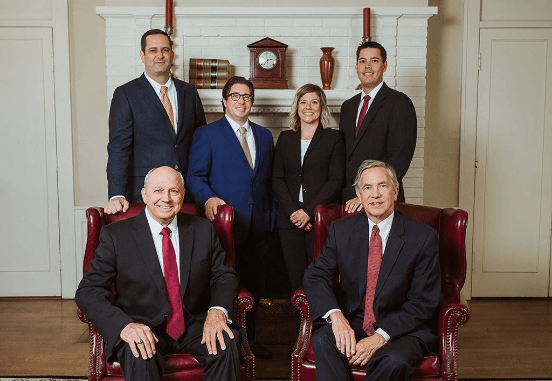
Legally Written and Reviewed by a Managing Partner
Wooten, Kimbrough, Damaso, and Dennis, P.A.
Our content is written and reviewed by our founding attorneys Butch Wooten, Orman Kimbrough, Mike Damaso, and Tom Dennis. Helping the injured since 1966, they’ve successfully handled thousands of personal injury cases across Florida. Whether you’re a Florida resident or an out-of-state visitor injured in Florida, we’re dedicated to providing clear and reliable information to help you navigate your legal options confidently.