
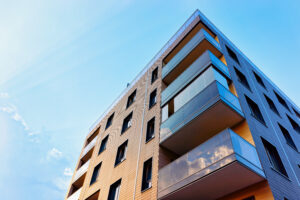
This morning, Orange County officials evacuated residents from The Rialto Apartments on West Sand Lake Road in Orlando after engineers identified serious concerns about the building’s structural stability. Residents were forced to leave their homes with little warning, and many were left wondering whether the signs had been there all along. For anyone living in an apartment, condo, or multifamily building in Florida, this situation is a sobering reminder that structural problems are not just a coastal issue or something that only happens elsewhere.
At Wooten, Kimbrough, Damaso, and Dennis, P.A., we have served the Central Florida community for over 60 years, and we care deeply about the safety and well-being of the people in our area. When something like The Rialto evacuation happens in our own backyard, we feel a responsibility to share what we know so our neighbors can protect themselves and their families. You do not have to be a structural engineer to recognize warning signs in your building, and you should not have to wait for an emergency order to take them seriously.
What History Has Taught Us About Building Failures
The 2021 Champlain Towers South collapse in Surfside killed 98 people and brought national attention to a problem that had been brewing for years. Investigators found that concrete deterioration, water intrusion, and a failing pool deck slab had gone unaddressed for far too long. The Rialto situation here in Orlando echoes that same theme: warning signs often exist well before any official action is taken, and residents are frequently the first to notice them.
The most important lesson from both of these events is that you are your own best advocate when it comes to where you live. If something looks wrong in your building, you have every right to ask questions, make noise, and demand answers. Your safety, and the safety of your family, depends on it.
Warning Signs You Should Not Ignore
Structural problems in residential buildings often reveal themselves gradually. Here are some of the most common red flags to watch for in garages, stairwells, balconies, breezeways, and common areas.
- Cracks in concrete, walls, or ceilings that are widening or running through load-bearing elements, especially where moisture is present
- Sagging, uneven, or bouncy floors, including pool decks that pond water or breezeways that feel soft underfoot
- Rust staining or exposed rebar on ceilings, columns, or around balconies, which may indicate that steel inside the concrete is corroding
- Chronic leaks or water intrusion near structural elements like beams, columns, or garage ceilings
- Doors and windows that suddenly stick or misalign, which can reflect movement in the structure or foundation
- New cracking after nearby construction, including pile driving or heavy road work
- Emergency shoring, bracing, or blocked-off areas around structural components
If you see any of these conditions in your building, treat them as potential safety concerns, not cosmetic issues. Document what you see with photos and dates, and report your concerns to property management in writing.
Steps You Can Take Right Now
Florida law places a duty on property owners and associations to maintain buildings in a reasonably safe condition. However, residents often have to initiate those conversations. If you have noticed something concerning, the most important first step is to get it in writing. Send an email or letter to your property manager or condo association describing what you observed and asking whether a licensed structural engineer has evaluated it.
If management is slow to respond or dismisses your concern, you may contact local building officials or code enforcement and request an inspection. In multifamily buildings, coordinating with neighbors often makes those concerns harder to overlook. And if authorities ever advise you to evacuate, please do so promptly, even if the damage does not appear dramatic to you. If you have been injured or displaced due to conditions in your building, speaking with a personal injury attorney may help you understand what options are available to you under Florida law. You can also find more information about premises liability involving pool accidents at Orlando hotels and resorts, as many of the same property maintenance principles apply.
Wooten, Kimbrough, Damaso, and Dennis, P.A. Is Here for the Central Florida Community
Our community deserves to feel safe in their homes, and we hope this information helps residents across the Orlando area know what to look for and what to do if something seems off. We have handled thousands of Florida personal injury claims over more than six decades, and our firm holds the highest ranking for Orlando injury lawyers in the Best Law Firms report by U.S. News and World Report. Our partners are board certified by the Florida Bar in civil trial litigation, and our firm has recovered hundreds of millions of dollars for clients injured due to negligence and unsafe property conditions.
If you were displaced or injured as a result of a structural failure or unsafe building conditions in Florida, we encourage you to reach out. You may visit our contact page to share your situation and learn how we may be able to help.

Legally Written and Reviewed by a Managing Partner
Wooten, Kimbrough, Damaso, and Dennis, P.A.
Our content is written and reviewed by our founding attorneys Butch Wooten, Orman Kimbrough, Mike Damaso, and Tom Dennis. Helping the injured since 1966, they’ve successfully handled thousands of personal injury cases across Florida. Whether you’re a Florida resident or an out-of-state visitor injured in Florida, we’re dedicated to providing clear and reliable information to help you navigate your legal options confidently.