

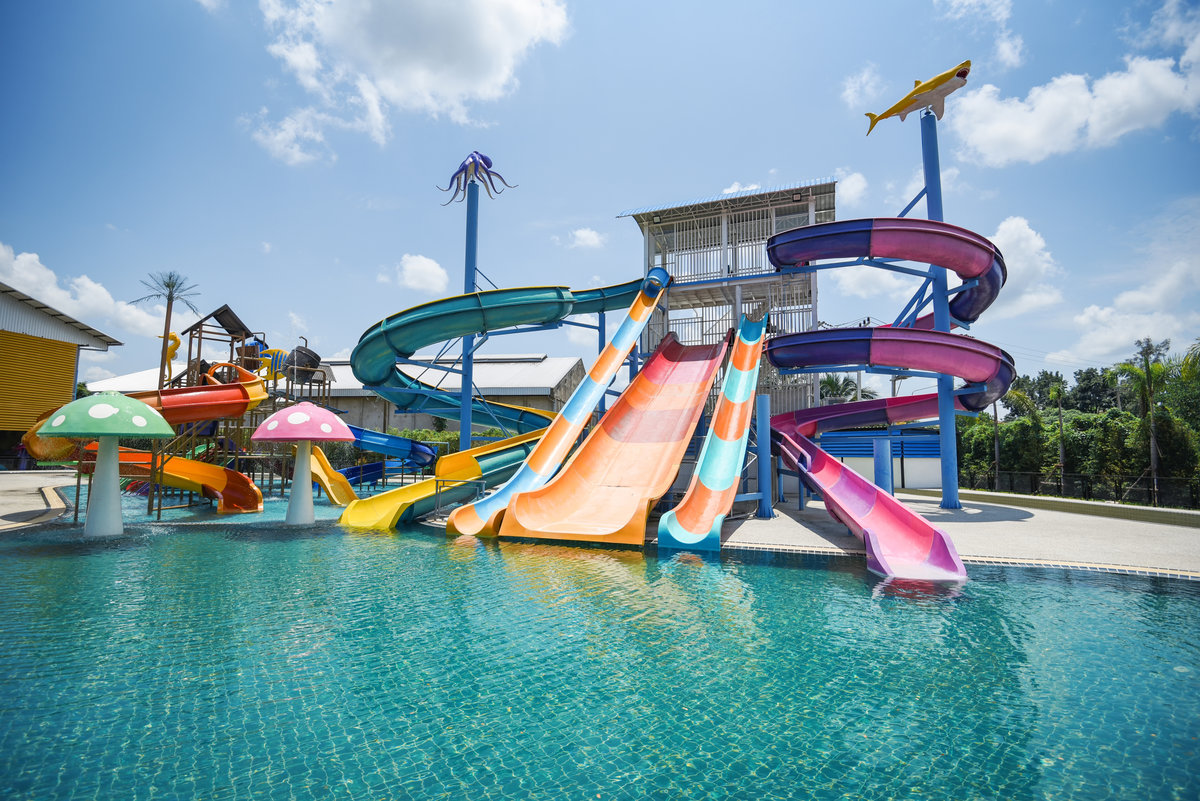
A day trip to a Central Florida water park usually ends with sunburn and tired kids, not a trip to the emergency room. But water slides, wave pools, and lazy rivers carry real risks when equipment fails, lifeguards miss a struggling swimmer, or a walkway stays slick long after it should have been mopped. When that happens, the person who got hurt is often left wondering whether the waiver they signed at the gate means they have no options at all.
At Wooten, Kimbrough, Damaso, and Dennis, P.A., we have spent more than 60 years helping injured people across Central Florida understand what their rights actually are, including at the region’s tourist attractions. A liability waiver is not an automatic shield for a water park, and it rarely covers every type of claim. If you were hurt on a slide, in a pool, or on the deck of a Central Florida water park, our team can help you look at what happened and what it may mean for your case.
Why a Signed Waiver Does Not End the Conversation
Most water parks ask guests to sign a waiver or agree to terms online before they ever get near a slide. These documents are written broadly, and many visitors assume that signing one means they have given up any right to pursue a claim no matter what happens. That assumption is often wrong.
Florida courts generally will not enforce a waiver against gross negligence, reckless conduct, or intentional misconduct. If a water park knew about a broken step, a malfunctioning slide, or an unsafe pool depth and did nothing about it, a waiver signed at check in may not protect the park from a claim tied to that specific failure. The waiver also cannot waive a minor’s right to sue once they reach adulthood in most circumstances, which matters given how many water park visitors are children.
Waivers are also read narrowly by courts, meaning the specific language matters. A waiver covering ordinary slip and fall risk on a pool deck may not extend to a defective ride mechanism or a lifeguard who was not paying attention. Every waiver is different, and reviewing the exact wording against what actually happened is a necessary first step before assuming a claim is barred.
Common Causes Behind Central Florida Water Park Injuries
Water parks throughout Orlando and the surrounding area draw huge crowds during the hottest months, and that volume creates conditions where small maintenance issues or staffing gaps can turn into serious injuries. Understanding what typically goes wrong helps clarify whether a waiver would even apply to a given situation, in the same way it does for premises liability claims tied to other commercial properties.
A few of the most frequent factors we see in these cases include the following.
- Slide equipment that was not inspected or maintained on schedule, leading to cracks, gaps, or sudden stops
- Lifeguards who were not properly positioned, trained, or attentive during peak hours
- Wet walkways and pool decks left without slip resistant surfacing or warning signage
- Wave pools and lazy rivers operated with unsafe currents or without adequate depth markers
- Overcrowded slides or attractions that exceeded a safe rider capacity for the time of day
Any of these conditions can point toward a facility’s own negligence rather than an ordinary risk a guest accepted by visiting. Once we identify what specifically failed, the analysis shifts from whether a waiver was signed to whether the waiver covers the type of failure involved.
What To Do After Getting Hurt at a Water Park
If you or someone with you is hurt at a water park, getting checked out by medical staff on site or at an urgent care or emergency room should always come first. Some injuries, especially head injuries and injuries involving submersion, are not obvious right away, and a medical record created close to the time of the incident becomes important evidence later.
Ask the park for an incident report and get the names of any employees or lifeguards involved. If you can safely do so, take photos of the area where the injury happened, including any equipment, signage, or standing water. Park conditions get cleaned up and repaired quickly, so documentation from that day matters more than most visitors realize.
Statute of Limitations Considerations
The statute of limitations for a water park injury claim is dependent on the unique details and factors surrounding your specific case, however, waiting too long to speak with an attorney can make it harder to preserve video footage, witness statements, and physical evidence before they disappear.
Wooten, Kimbrough, Damaso, and Dennis, P.A.
Our firm has spent more than 60 years representing people injured across Central Florida’s tourist attractions, including amusement parks and water parks. We know how to evaluate a liability waiver against what actually happened, how to work with claims involving large commercial properties, and how to pursue catastrophic injury cases when a water park incident causes lasting harm. We also regularly help visitors hurt in other tourist settings, such as those who reach out to our swimming pool accident team after a pool related injury. According to the Consumer Product Safety Commission, amusement and water attractions across the country are responsible for hundreds of reported injuries every year, which is a reminder that these incidents are more common than most visitors expect.
If you were hurt at a Central Florida water park and are not sure whether a waiver applies to what happened to you, we may be able to help you find that out. You can reach our contact page to describe what happened and learn more about your options.

Legally Written and Reviewed by a Managing Partner
Wooten, Kimbrough, Damaso, and Dennis, P.A.
Our content is written and reviewed by our founding attorneys Butch Wooten, Orman Kimbrough, Mike Damaso, and Tom Dennis. Helping the injured since 1966, they’ve successfully handled thousands of personal injury cases across Florida. Whether you’re a Florida resident or an out-of-state visitor injured in Florida, we’re dedicated to providing clear and reliable information to help you navigate your legal options confidently.