

Most people think of human trafficking as a criminal matter, something for prosecutors and police. But businesses can be sued directly by trafficking victims, and the exposure is real. Hotels, property managers, adult entertainment venues, and government contractors all fall within reach of Florida’s civil remedy laws, and the bar for liability is lower than most operators assume.
The Legal Foundation: Statutory Causes of Action
Florida and federal law both give trafficking victims a direct path to sue commercial third parties.
Florida Statutes Section 787.061
This is Florida’s civil remedy statute, and it reaches adult theaters, lodging facilities, and other commercial establishments that knowingly permit trafficking on their premises or facilitate it in some way. Florida Statutes Section 95.11 also extends the statute of limitations for trafficking victims, recognizing that survivors often can’t come forward right away.
Federal TVPA (18 U.S.C. Section 1595)
Under the federal Trafficking Victims Protection Act, a victim can sue any entity that knowingly benefited financially from a trafficking venture and knew, or should have known, what was happening.
That “should have known” standard is the part businesses tend to miss. You don’t have to be the trafficker to be liable. Constructive knowledge plus financial benefit, like room rental income or reduced labor costs, is enough to get a case in front of a judge.
Victims’ Rights in Florida’s Civil Justice System
Survivors pursuing civil claims against negligent businesses have several protections built into Florida law:
- Courts routinely let plaintiffs proceed under a pseudonym like “Jane Doe” to shield them from retaliation or public exposure, and identifying records can be redacted.
- Survivors can hire private counsel and pursue civil compensation whether or not a criminal case is active, stalled, or already closed.
- Article I, Section 16 of the Florida Constitution (aligned with Marsy’s Law) guarantees victims freedom from intimidation and a voice in their own safety throughout the process.
- Civil recovery is independent of criminal restitution, so survivors can recover damages a criminal court never addresses.
Recent Legislative Updates Impacting Business Compliance
Florida has tightened the rules for businesses in higher-risk industries.
| Legislative Area | Key Statutory Requirement | Impact on Business Operations |
|---|---|---|
| Hotline Signage Transition | HB 7063 mandates display of the Florida Human Trafficking Hotline | Replaces National Hotline listings with 1-855-FLA-SAFE in public and employee areas |
| Strict Age Verification | HB 7063 establishes mandatory ID verification for adult venues | Eliminates “ignorance of age” defenses for establishments employing workers under 21 |
| Public Contracting Affidavits | Requires vendor affidavits certifying clean labor supply chains | Government contractors must attest that no forced or coerced labor is utilized |
Public Contracting and Mandatory Training Compliance
Companies that contract with Florida government bodies now have to sign an affidavit certifying their supply chain is free of forced or coerced labor. Lodging establishments also have to put front desk and housekeeping staff through annual trafficking awareness training.
Financial Exposure and Potential Damages
If a business is found liable under Section 787.061 or federal law, the damages can add up quickly:
- Economic damages, covering medical care, psychiatric treatment, lost earning capacity, and relocation costs.
- Noneconomic damages for emotional distress, physical impairment, and pain and suffering.
- Punitive damages, where the business showed gross negligence, active concealment, or willful disregard.
- Attorney’s fees and costs awarded to the prevailing victim.
Operational Best Practices and Risk Mitigation
A few practical steps go a long way toward reducing exposure:
- Check that every required posting displays the current 1-855-FLA-SAFE hotline number. Old signage with the National Hotline number needs to come down.
- Train front desk staff, housekeeping, security, and managers to recognize red flags: excessive cash payments, a steady stream of unannounced visitors, or someone who doesn’t control their own ID.
- Give employees a safe, clear way to report suspected trafficking internally and to law enforcement, without fear of retaliation.
- Require contractors, subcontractors, and staffing agencies to sign affidavits certifying their labor practices.
Public Service Announcement: See Something, Say Something
Trafficking happens in plain sight, in hotels, restaurants, construction sites, and farm fields across Florida. Knowing what to look for can save a life.
Common red flags include:
- Someone who doesn’t control their own ID, money, or phone.
- Signs of physical abuse, severe fatigue, or restricted communication.
- Guests with almost no luggage, cash-only payments, or an unusual number of visitors.
If you suspect human trafficking in Florida:
- Florida Human Trafficking Hotline: 1-855-FLA-SAFE (1-855-352-7233)
- National Human Trafficking Hotline: 1-888-373-7888, or text “HELP” or “INFO” to 233733
- In immediate danger, call 911.
Contact Wooten, Kimbrough, Damaso, and Dennis, P.A.
If you or someone you love has been harmed by a business’s negligence, whether through trafficking, an unsafe property, or a preventable accident, you deserve a legal team that knows how to hold that business accountable. Our firm has represented Central Florida injury victims for over 60 years, earning the highest ranking for Orlando injury lawyers in the Best Law Firms report by U.S. News and World Report. Whether your case happened near a theme park entrance, on a busy tourist corridor, or anywhere across the region, our Orlando car accident lawyers have the experience to guide you through the process.
If you or your family have been hurt in Florida, we encourage you to take action. Reach out through our contact form to schedule a consultation with our team today.
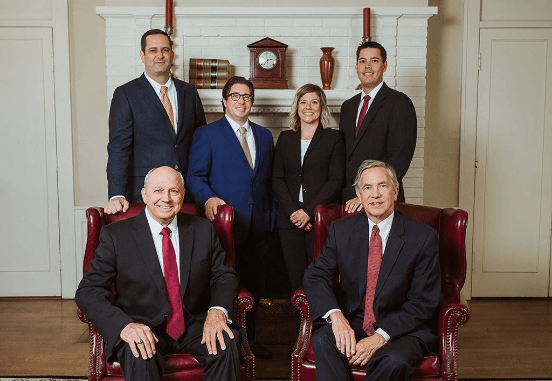
Legally Written and Reviewed by a Managing Partner
Wooten, Kimbrough, Damaso, and Dennis, P.A.
Our content is written and reviewed by our founding attorneys Butch Wooten, Orman Kimbrough, Mike Damaso, and Tom Dennis. Helping the injured since 1966, they’ve successfully handled thousands of personal injury cases across Florida. Whether you’re a Florida resident or an out-of-state visitor injured in Florida, we’re dedicated to providing clear and reliable information to help you navigate your legal options confidently.