

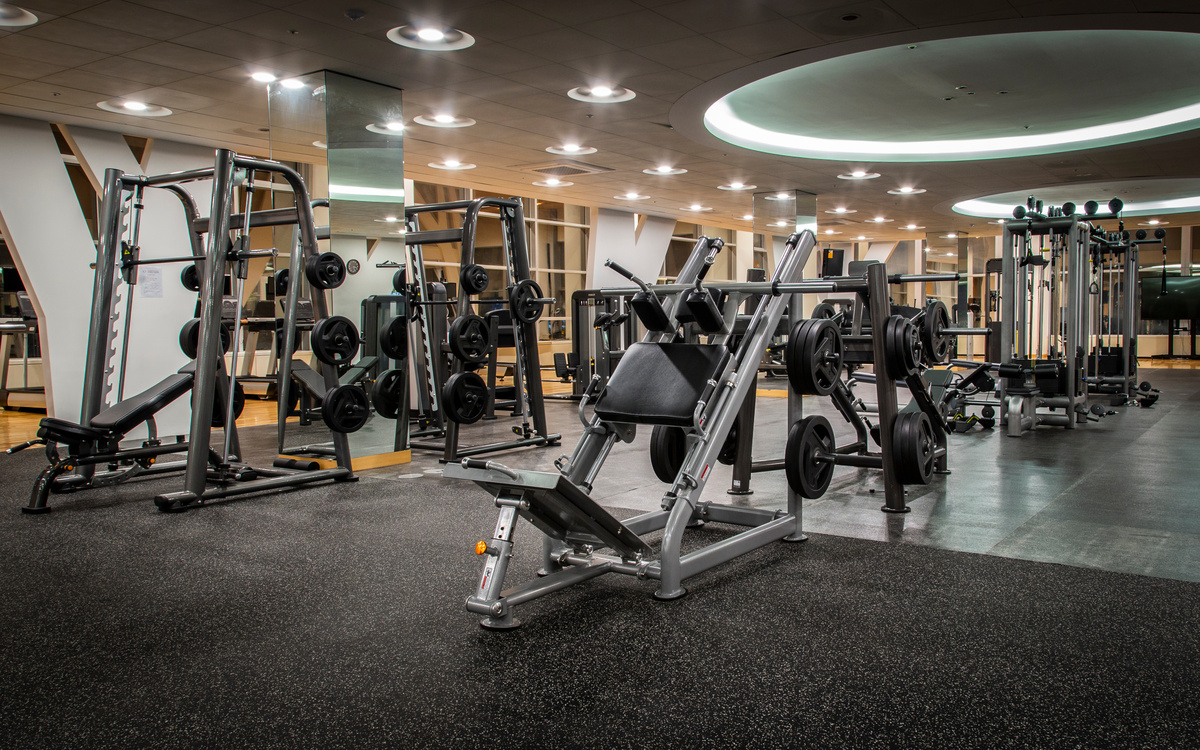
Going to the gym is meant to improve your health, not put you in harm’s way. Unfortunately, equipment-related injuries happen more often than many people realize, leaving gym members facing pain, medical bills, and uncertainty about their legal options. When a piece of equipment malfunctions or is poorly maintained, the consequences can be serious.
If you are injured at a gym, your first priority should always be your health. If you’re hurt, get checked out immediately, even if the injury seems minor at first. Some injuries take time to show symptoms, and prompt medical care protects both your well-being and your potential legal claim. After addressing your health, you may wonder whether you can hold the gym accountable.
Common Types of Gym Equipment Injuries
Gym equipment injuries can occur in many different ways, ranging from minor strains to life-altering trauma. Treadmills with faulty belts, improperly secured weight machines, or frayed cables can suddenly fail while in use. Free weights left in unsafe conditions or equipment assembled incorrectly can also create serious hazards for members.
In some cases, injuries result from equipment that is outdated or worn beyond safe use. Gyms have a responsibility to regularly inspect, repair, and replace equipment to ensure it is safe for members. When they fail to do so, the risk of accidents rises significantly, especially during peak hours when equipment is heavily used.
Another common cause involves a lack of proper instructions or warnings. If machines are missing safety labels, adjustment instructions, or warning signs, members may unknowingly use equipment incorrectly. While users must exercise reasonable care, gyms also have a duty to provide a reasonably safe environment.
When a Gym May Be Legally Responsible
Not every gym injury automatically leads to a lawsuit, but there are situations where legal action may be appropriate. Gyms can be held responsible when their negligence contributes to an injury. Negligence may include failing to maintain equipment, ignoring known hazards, or not addressing reported problems in a timely manner.
For example, if a gym knew that a weight machine cable was fraying and failed to repair or remove it, the gym may be liable if that cable snaps and causes injury. Similarly, if equipment is improperly installed or routinely malfunctions, this may point to negligence on the part of the gym or its management.
Liability may also extend beyond the gym itself. In some cases, the manufacturer of defective equipment may be responsible if a design or manufacturing defect caused the injury. Determining who is at fault often requires a careful investigation of maintenance records, incident reports, and the condition of the equipment.
What About Liability Waivers and Membership Agreements?
Most gyms require members to sign liability waivers as part of their membership agreement. These waivers often state that the gym is not responsible for injuries sustained while using the facility. While these documents can complicate claims, they do not always prevent you from suing.
In Florida, liability waivers are not absolute. A waiver generally does not protect a gym from liability for gross negligence, reckless conduct, or knowingly allowing dangerous conditions to exist. If a gym ignored safety issues or failed to address obvious risks, a waiver may not shield it from responsibility.
Additionally, waivers are typically interpreted narrowly. If the language is unclear or overly broad, it may not be enforceable. An experienced attorney can review the waiver you signed and determine whether it truly limits your right to seek compensation.
Steps to Take After a Gym Equipment Injury
After seeking medical attention, there are several steps that can help protect your rights. Report the injury to gym staff as soon as possible and ask that an incident report be completed. This creates an official record of what happened and when it occurred.
If you are able, document the scene. Take photos or videos of the equipment involved, visible defects, and any warning signs—or lack thereof. Get contact information from witnesses who saw the accident happen. This evidence can be crucial later if there is a dispute about how the injury occurred.
Avoid discussing fault with gym employees or insurance representatives before speaking with an attorney. Statements made early on can sometimes be used to minimize or deny your claim. Protecting your interests early can make a significant difference in the outcome.
Protecting Your Health and Your Rights
Gym injuries can disrupt your routine, your finances, and your long-term health. While fitness facilities promote wellness, they must also uphold their responsibility to keep members safe. When they fail to do so, legal action may be an option.
If you or a loved one has been injured by gym equipment, remember that your health comes first — get checked out right away. Then, consider speaking with a qualified personal injury attorney who can explain your rights and options. For guidance tailored to your situation, contact Wooten, Kimbrough, Damaso, and Dennis, P.A. through our contact form to arrange a free consultation and take the next step forward.

Legally Written and Reviewed by a Managing Partner
Wooten, Kimbrough, Damaso, and Dennis, P.A.
Our content is written and reviewed by our founding attorneys Butch Wooten, Orman Kimbrough, Mike Damaso, and Tom Dennis. Helping the injured since 1966, they’ve successfully handled thousands of personal injury cases across Florida. Whether you’re a Florida resident or an out-of-state visitor injured in Florida, we’re dedicated to providing clear and reliable information to help you navigate your legal options confidently.