

At Wooten, Kimbrough, Damaso, and Dennis, P.A., we have been helping injured Floridians pursue fair compensation since 1966. Our tourist injury attorneys have seen firsthand how difficult it can be to hold large theme parks accountable, and the regulatory framework surrounding Florida’s biggest parks is a significant part of why. Understanding how that system works is important whether you are a visitor, a parent, or someone already dealing with injuries from a park incident.
Florida’s Two-Track System for Ride Safety
Most people assume that all amusement rides in Florida are subject to the same oversight. They are not. According to the Florida Department of Agriculture and Consumer Services (FDACS), the agency has statewide responsibility to inspect all amusement rides in Florida, except for those at large parks with more than 1,000 employees and full-time inspectors on staff. That exemption covers the state’s biggest destination parks, including SeaWorld.
For smaller and traveling operations, state oversight is real and ongoing. Those rides must be permitted each time they are moved or set up at a new location, inspected semiannually when permanent, and pulled from service immediately if they fail inspection. Accidents at those parks must be reported to the state.
What the Exemption Actually Means
When a park like SeaWorld falls under the exemption, it is responsible for self-inspecting its rides and voluntarily reporting certain incidents. There is no routine FDACS inspection, no automatic state investigation after an incident, and no mandatory public disclosure of what was found or fixed. The park is, in effect, policing itself. When six guests end up in the hospital and the public is told only that a ride “paused” for seven minutes, that is not a transparency failure. That is the system working exactly as written.
The Federal Gap Makes It Worse
Florida’s patchwork approach exists alongside an even more significant gap at the federal level. In 1981, Congress removed fixed-site amusement parks from the Consumer Product Safety Commission’s jurisdiction, a carve-out often called the “roller coaster loophole.” The result is that no federal agency routinely inspects or tracks safety issues at the country’s largest theme parks. Injury data from those parks is fragmented and relies on voluntary reporting, which means no one has a complete picture of how often incidents like SeaWorld’s “operational pause” actually occur.
This matters when you are trying to evaluate risk. You board a ride with the reasonable expectation that someone, somewhere, has independently verified it is safe. At Florida’s largest parks, that independent verification largely does not exist.
What You Can Do If You Were Hurt
If you or someone with you became ill or was injured during the SeaWorld incident, the most important first step is to get checked out by a medical professional right away, even if symptoms seemed minor at the time. Some injuries do not present immediately, and a documented medical evaluation is critical to any future claim. You should also report what happened to the park staff and get a copy of any incident report. Do not assume the park’s internal processes will protect your interests.
From a legal standpoint, parks owe their guests a duty to maintain reasonably safe premises and to operate rides in a way that does not put people at unreasonable risk. When something goes wrong and guests are harmed, the questions that follow are familiar ones: Was there a known defect? Were proper procedures followed? Was the park more interested in getting the ride running again than in understanding what caused the problem? Our team knows how to identify what steps to take if you are injured on vacation in Florida and how to build a case when a large park’s self-reporting tells you very little.
The following are common grounds for a premises liability or negligence claim after a theme park injury:
- A mechanical malfunction or maintenance failure that the park knew or should have known about
- Failure to follow proper emergency protocols during an incident
- Inadequate training of ride operators or staff
- Failure to warn guests of a known or suspected risk
A sentence following this list is required by our guidelines, and it applies here: any of these factors can be relevant to whether a park breached its duty to keep guests safe, and the lack of external oversight makes gathering that evidence quickly even more important.
Why This Keeps Happening in Florida
Florida has taken some steps toward greater oversight. The Tyre Sampson Act, passed in 2023 after a 14-year-old died at the Orlando FreeFall attraction, strengthened inspection and reporting requirements for many rides. But those changes still did not reach the state’s largest fixed-site parks. The exemption for parks with more than 1,000 employees and their own inspection staff remains in place. There has also been ongoing debate in the legislature about the lack of regulation of amusement park rides in Central Florida and whether self-policing is a sufficient substitute for independent oversight. So far, the exemption stands.
The SeaWorld incident is a clear example of the gap that leaves. A ride stops. Six people go to the hospital. The park resumes operations. And the public gets a statement about an “operational pause.” Without mandatory disclosure requirements and an independent investigation authority, that may be all anyone ever learns.
Contact Wooten, Kimbrough, Damaso, and Dennis, P.A.
If you were hurt at SeaWorld or any other Central Florida theme park, you do not have to accept a park’s account of what happened or assume your options are limited because the park self-regulates. The attorneys at Wooten, Kimbrough, Damaso, and Dennis, P.A. know how to investigate these cases, obtain incident records, and hold large venues accountable when their failures cause real harm to real people. We have handled premises liability cases involving pool accidents at Orlando hotels and resorts and a wide range of tourist injury claims throughout Central Florida.
Wooten, Kimbrough, Damaso, and Dennis, P.A., holds the highest ranking for Orlando injury lawyers in the U.S. News and World Report Best Law Firms rankings and has handled thousands of Florida personal injury claims in our over 60 years of service to this community. Our attorneys work on a contingency-fee basis, meaning there are no upfront costs to you. If you are ready to talk about what happened, contact us through our online form to get started.
Legally Written and Reviewed by a Managing Partner
Wooten, Kimbrough, Damaso, and Dennis, P.A.
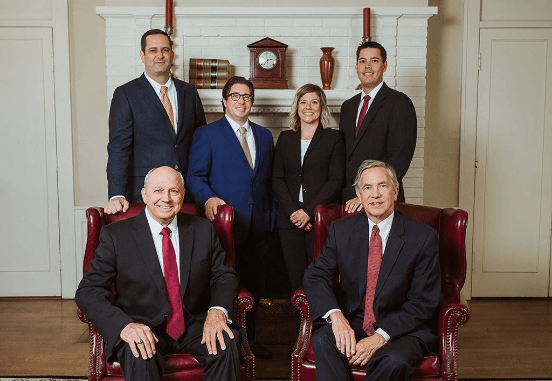
Our content is written and reviewed by our founding attorneys Butch Wooten, Orman Kimbrough, Mike Damaso, and Tom Dennis. Helping the injured since 1966, they’ve successfully handled thousands of personal injury cases across Florida. Whether you’re a Florida resident or an out-of-state visitor injured in Florida, we’re dedicated to providing clear and reliable information to help you navigate your legal options confidently.