

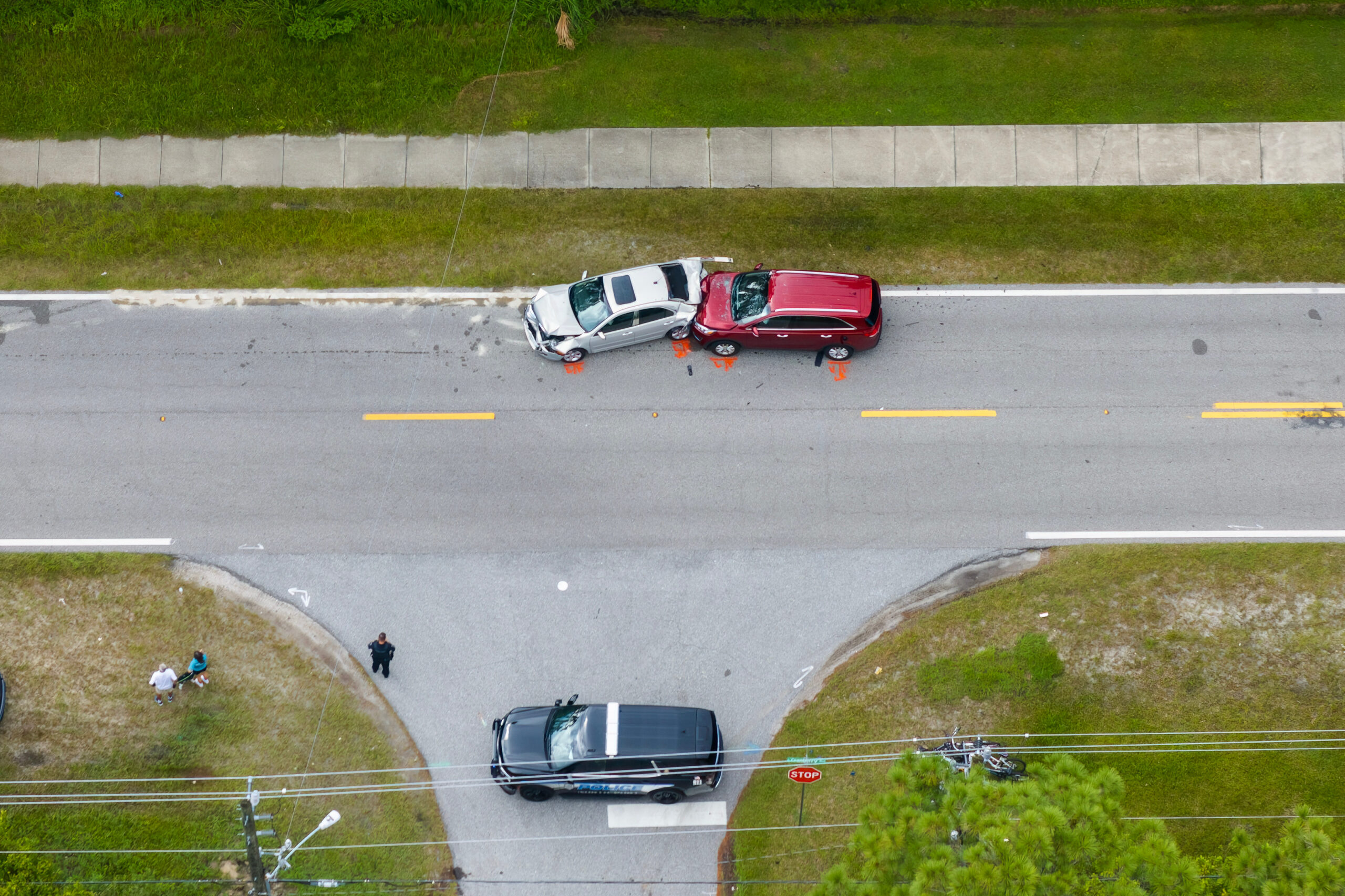
A pedestrian has virtually no protection when a driver fails to pay attention. In Sanford, a recent hit-and-run crash is a sobering reminder of exactly that reality — a person was struck, a witness heard cries for help, and the driver left without stopping. What happens in seconds can reshape a life entirely.
At Wooten, Kimbrough, Damaso, and Dennis, P.A., we have been helping injured Floridians navigate the aftermath of crashes like this one for more than 60 years. When a driver’s negligence — or their decision to flee — leaves someone seriously hurt, our team works to pursue every available avenue for accountability and recovery. If you or someone you love has been hurt in a pedestrian accident, it is important to understand your rights under Florida law.
Drivers Share the Road With Real People
Florida roads are not private lanes. They are shared spaces where people walk to work, cross intersections, and move through their neighborhoods every day. Drivers have a legal duty to operate their vehicles with reasonable care, which includes staying alert, adjusting speed for conditions, and watching for pedestrians in areas where they are likely to be present.
Many pedestrian crashes are preventable. Distraction, excessive speed, and failure to account for low lighting or heavy foot traffic are among the most common contributing factors. In neighborhoods and near intersections, the consequences of inattention can be catastrophic because pedestrians have no barrier between themselves and an oncoming vehicle.
For residents and visitors in Sanford, roads shared between vehicles and pedestrians demand that every driver stay focused. Checking a phone, misjudging a speed limit, or simply not scanning ahead — none of these excuses matter when someone else pays the price.
Leaving the Scene Is a Separate Harm
A hit-and-run is not just a crash. It is a second wrong. Florida law requires any driver involved in a crash that results in injury or death to stop immediately, provide identifying information, and render reasonable aid. According to the Florida Department of Highway Safety and Motor Vehicles, leaving the scene of a crash involving injury or death is a felony under Florida law, and mandatory minimum sentences apply depending on the severity of the crash.
When a driver flees, the injured person loses critical seconds — seconds that matter for emergency response and medical treatment. Evidence also begins to disappear. Witnesses disperse. Dashcam footage may not be preserved. The investigation becomes significantly harder.
From a civil standpoint, a driver who flees may face greater exposure, including punitive damages, depending on how the case develops. The decision to leave does not make the harm disappear; it often makes it worse for everyone involved.
What to Do If You Witness or Are Involved in a Hit-and-Run
Knowing how to respond in the immediate aftermath of a hit-and-run can make a real difference. Here are the most important steps:
- Call 911 immediately: Provide the location, a description of the vehicle, the direction it traveled, and anything else observed.
- Stay safe: Do not attempt to pursue the vehicle or put yourself in danger near active traffic.
- Preserve what you have: Note the time, conditions, and any details while they are still fresh. Save dashcam footage right away.
- Cooperate with law enforcement: Remain available to answer questions when it is safe to do so.
- Seek medical care: If you were struck, get checked out by a medical professional as quickly as possible, even if injuries seem minor at first.
For families in Sanford and throughout Central Florida, understanding these steps early can protect both your health and your legal options going forward.
Even When the Driver Is Unknown, Options May Exist
One of the most frustrating realities of a hit-and-run is that the driver may not be immediately identified. However, this does not necessarily mean the injured person has no recourse. Uninsured motorist coverage, if included in a policy, may apply in hit-and-run situations. In some cases, surveillance footage, witness accounts, or law enforcement investigation can lead to identification of the driver.
It is also worth noting that in crashes involving fatalities, Florida’s wrongful death laws provide a legal path for surviving family members to pursue accountability. Every situation is different, and the right next step begins with understanding what happened and what options are available.
Contact Wooten, Kimbrough, Damaso, and Dennis, P.A. After a Pedestrian Crash
When a driver’s negligence leaves someone seriously injured, and especially when that driver chose to flee, the legal process can feel overwhelming. Wooten, Kimbrough, Damaso, and Dennis, P.A. has spent more than 60 years helping injured Floridians and their families understand their rights and pursue the outcomes they deserve. Our Orlando car accident lawyers and personal injury attorneys handle cases on a contingency fee basis, meaning there are no upfront costs to getting started. Our firm holds the highest ranking for Orlando injury lawyers in the Best Law Firms report by U.S. News & World Report, and our partners are board certified by the Florida Bar in civil trial litigation.
If you or a family member has been hurt in a pedestrian accident in Sanford or anywhere in Central Florida, do not wait to take action. Get checked out medically first, then reach out to our team. Contact us today to speak with an attorney about your situation.
What should I do immediately after a hit-and-run accident in Florida?
Call 911 right away and provide the location, a description of the fleeing vehicle, the direction it traveled, and any identifying details like a partial license plate number. Stay safe and do not chase the vehicle. If you witnessed the crash, stay at the scene until law enforcement arrives and give a statement. If you were struck, seek medical attention as quickly as possible — even injuries that seem minor initially can be more serious than they appear. Preserve any dashcam footage or photos and write down what you remember while it is still fresh.
Can I recover compensation if the hit-and-run driver is never identified?
Potentially, yes. Uninsured motorist (UM) coverage, if you carry it on your own auto policy, may apply to hit-and-run situations where the at-fault driver cannot be identified. Florida law allows UM claims in these circumstances under certain conditions. An attorney can review your policy, determine what coverage applies, and identify whether any other avenues for recovery — such as surveillance footage or witness accounts that later lead to driver identification — exist in your case.
Is leaving the scene of an accident a crime in Florida?
Yes. Under Florida law, any driver involved in a crash resulting in injury or death is required to stop immediately, provide identifying information, and render reasonable assistance. Leaving the scene is a felony offense, with mandatory minimum sentences that escalate based on the severity of the crash. A driver who flees the scene of a crash that caused serious bodily injury faces up to five years in prison; a crash resulting in death carries a mandatory minimum of four years. These criminal consequences are separate from the civil liability the driver may face in a personal injury or wrongful death lawsuit.

Legally Written and Reviewed by a Managing Partner
Wooten, Kimbrough, Damaso, and Dennis, P.A.
Our content is written and reviewed by our founding attorneys Butch Wooten, Orman Kimbrough, Mike Damaso, and Tom Dennis. Helping the injured since 1966, they’ve successfully handled thousands of personal injury cases across Florida. Whether you’re a Florida resident or an out-of-state visitor injured in Florida, we’re dedicated to providing clear and reliable information to help you navigate your legal options confidently.