


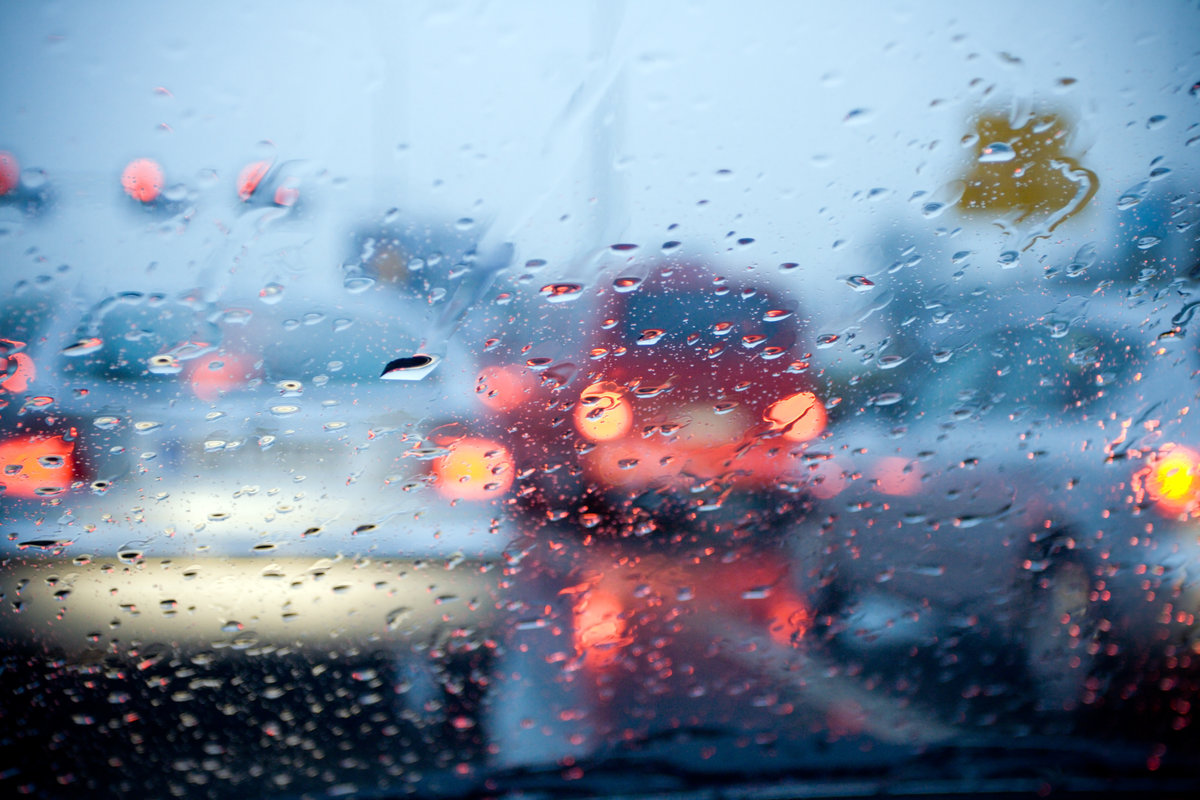
You feel the wind pick up before you see the first band of rain hit the windshield. Traffic slows to a crawl, brake lights blur through the water on the glass, and every driver around you seems to be making a different decision about how fast is too fast. Hurricane season turns an ordinary commute into a series of split second judgment calls, and when one of those calls goes wrong, sorting out who bears responsibility gets complicated fast.
At Wooten, Kimbrough, Damaso, and Dennis, P.A., we help Central Florida drivers untangle exactly that kind of complication after a car accident. Storm season does not suspend the rules of the road, and drivers still owe each other a duty of care even when the sky turns green gray and the rain sideways. This guide looks at how extreme weather factors into fault, what evidence matters most, and how a claim moves forward once the storm has passed.
How Hurricane Conditions Change the Rules of the Road
Heavy rain, high wind, and sudden flooding do not erase a driver’s legal obligations, they raise the bar for what reasonable care looks like. A driver who takes a curve at the posted speed limit on a clear afternoon might be driving too fast for conditions during a tropical storm, even though the number on the speedometer never changed.
Visibility drops fast once a storm band moves through, and standing water can cause a vehicle to lose traction without warning. Florida courts look at whether a driver adjusted their behavior to match the conditions, not just whether they followed the posted limit. For more on how local drivers can prepare before conditions turn severe, see our hurricane season driving safety tips.
Evacuation traffic adds another layer, as roads that normally carry light volume back up for miles while residents move inland, and rear end collisions become more common as drivers misjudge stopping distance on wet pavement.
Determining Fault When Weather Is a Factor
Insurance adjusters often lean on weather as a built in excuse, suggesting a crash during a storm was simply an act of nature rather than the result of anyone’s driving decisions. That argument rarely holds up once the facts of a crash get examined closely.
What Investigators Look For
A thorough investigation asks whether the driver reduced speed, increased following distance, and used headlights once conditions worsened. It also considers whether a vehicle’s tires and wipers were in adequate condition heading into the storm, as neglected maintenance can turn a survivable rain shower into a serious crash.
Traffic camera footage, weather service data, and the responding officer’s crash report help establish what the roadway looked like at the moment of impact. Cell phone location records can also show whether a driver was traveling at a speed inconsistent with safe storm driving. Determining exactly how the weather contributed is central to establishing liability after a weather related accident.
Comparative Negligence in Storm Related Crashes
Florida uses a comparative negligence framework, meaning more than one driver can share responsibility for a single crash. A driver who hydroplanes into another car might share fault with a municipality that failed to maintain drainage on a known flood prone street, or with a second driver following too closely for the conditions.
Steps to Take After a Storm Related Crash
If you are able to do so safely, the following steps protect both your health and your ability to pursue compensation later.
- Get checked out by a medical provider even if you feel fine, as adrenaline can mask injuries that surface later.
- Photograph the roadway and any standing water before conditions change.
- Request a copy of the official crash report once law enforcement completes it.
- Avoid giving a recorded statement to an insurance adjuster before speaking with someone who can explain how it may affect your claim.
- Keep receipts tied to repairs, medical visits, and any missed work.
Every one of these steps builds the record that later determines whether a claim succeeds, and skipping even one can leave gaps an insurance company will use against you.
Why Central Florida Faces Unique Storm Driving Risks
Orlando and the surrounding communities sit inland from the coast, which might suggest lower storm risk, but the region still floods quickly due to flat terrain and dense development. Water has fewer places to drain, and a road that looks passable can hide several inches of standing water in low lying dips.
Tourist traffic compounds the problem, as visitors unfamiliar with local roads may not recognize which intersections flood first. That unfamiliarity, paired with rental cars a driver has not fully adjusted to, raises the odds of a serious crash during active storm conditions in Orlando’s tourist areas.
According to the Federal Highway Administration, most weather related vehicle crashes nationwide happen on wet pavement, with rain contributing to thousands of fatalities and hundreds of thousands of injuries every year. That data underscores how much a few inches of standing water on a Central Florida roadway can matter.
Wooten, Kimbrough, Damaso, and Dennis, P.A.
We have spent more than 60 years representing injured Central Florida drivers, and storm related crashes bring their own layer of complexity to an already stressful situation. We look closely at radar data, drainage records, and vehicle maintenance history so the full picture comes into focus, not the version an insurance company wants to tell.
If a hurricane or tropical storm played a role in a crash that left you hurt, you do not have to sort through fault, evidence, and insurance tactics without support. Reach out through our contact page to talk through what happened and find out what your next step should look like.

Legally Written and Reviewed by a Managing Partner
Wooten, Kimbrough, Damaso, and Dennis, P.A.
Our content is written and reviewed by our founding attorneys Butch Wooten, Orman Kimbrough, Mike Damaso, and Tom Dennis. Helping the injured since 1966, they’ve successfully handled thousands of personal injury cases across Florida. Whether you’re a Florida resident or an out-of-state visitor injured in Florida, we’re dedicated to providing clear and reliable information to help you navigate your legal options confidently.