

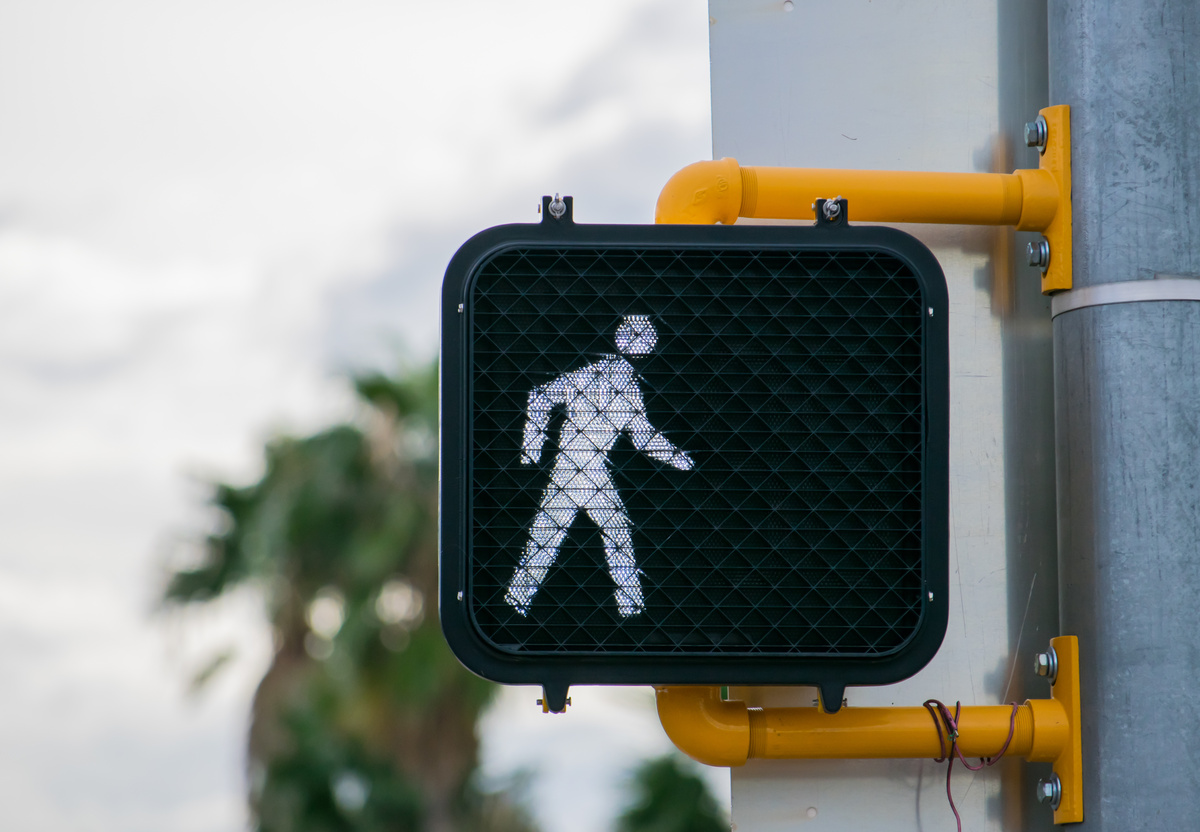
Central Florida consistently ranks among the most dangerous regions in the United States for pedestrians, with metropolitan Orlando appearing near the top of national studies examining pedestrian safety. The Insurance Institute for Highway Safety reports pedestrians accounted for 18% of motor vehicle crash deaths nationwide in 2023, yet Central Florida’s rates exceed these national averages by significant margins, creating urgent concerns for residents and visitors walking along our roadways.
Understanding why our region faces such elevated risks helps identify solutions while emphasizing the importance of legal representation when Orlando personal injury lawyers at Wooten, Kimbrough, Damaso, and Dennis, P.A. can assist pedestrian accident victims. With over 60 years helping injured people throughout Florida, our firm combines deep knowledge of local conditions with proven advocacy for those harmed in preventable crashes.
Infrastructure Design and Urban Planning
Central Florida’s rapid growth over recent decades created development patterns prioritizing vehicle traffic over pedestrian safety. Wide, multi-lane arterial roads designed for high-speed automobile travel cut through commercial and residential areas where people need to cross on foot. Many of these thoroughfares lack adequate crosswalks, pedestrian signals, or safe crossing opportunities, forcing walkers to navigate dangerous conditions or travel far out of their way to reach destinations.
The region’s sprawling development pattern creates additional challenges for pedestrian safety. Strip malls, shopping centers, and residential communities spread across vast distances rarely connect through sidewalks or pedestrian pathways. This forces people to walk along roadway shoulders or through parking lots where drivers focus on navigating traffic rather than watching for pedestrians. Missing or incomplete sidewalk networks leave gaps requiring pedestrians to walk in grass, drainage ditches, or directly in traffic lanes.
Intersection Design Issues
Many Central Florida intersections feature long crossing distances across multiple travel lanes, requiring extended time for pedestrians to reach safety. Traffic signal timing often fails to provide sufficient crossing time for elderly residents, individuals with disabilities, or families with young children. Right-turn-on-red rules create conflicts between turning vehicles and crossing pedestrians, particularly when drivers focus on oncoming traffic rather than the crosswalk.
Tourist Population and Unfamiliar Drivers
Orlando’s status as a premier tourist destination brings millions of visitors annually who navigate unfamiliar roadways while distracted by directions, attractions, and travel companions. These drivers may miss pedestrians in crosswalks or fail to anticipate foot traffic in areas where locals expect heavy pedestrian activity. Tourists walking between hotels, restaurants, and attractions often lack familiarity with local traffic patterns, crossing locations, and the aggressive driving behaviors common on Central Florida roads.
International visitors accustomed to different traffic laws and pedestrian customs face particular challenges. Some countries feature more pedestrian-friendly infrastructure or different right-of-way rules, creating dangerous assumptions when these visitors walk along Orlando area streets. Language barriers may prevent full understanding of crossing signals, warning signs, or directions from law enforcement directing traffic around construction or special events.
Climate and Year-Round Walking Conditions
Florida’s climate encourages outdoor activity throughout the year, creating consistent pedestrian traffic when other regions see seasonal decreases during winter months. However, this same climate creates hazards for both pedestrians and drivers. Sudden afternoon thunderstorms reduce visibility dramatically while creating slick road surfaces, yet many residents and visitors continue walking during these conditions out of necessity or unfamiliarity with how quickly weather changes.
Extended daylight hours during summer months coincide with peak tourist season and increased outdoor activity. Evening rush hour traffic overlaps with pedestrians walking to dinner, entertainment venues, or returning to hotels. The transition from daylight to darkness creates particularly dangerous conditions as drivers’ eyes adjust while pedestrians become less visible, especially when wearing dark clothing.
High-Risk Areas and Contributing Factors
Several specific conditions contribute to Central Florida’s elevated pedestrian fatality rates, and recognizing these patterns helps victims establish liability in injury claims:
- International Drive corridor: The concentration of hotels, restaurants, and attractions creates heavy pedestrian traffic mixing with tourist drivers navigating unfamiliar roads, resulting in frequent conflicts.
- US Highway 192: This commercial strip connecting Kissimmee to theme park areas features wide travel lanes, high speeds, and inadequate pedestrian infrastructure despite significant foot traffic.
- State Road 50 (Colonial Drive): Multiple lanes of high-speed traffic cross diverse neighborhoods with pedestrians accessing shops, bus stops, and residences along dangerous stretches lacking proper crossings.
- Orange Blossom Trail (US 441): Commercial development interspersed with residential areas creates pedestrian demand along a roadway designed primarily for vehicle throughput rather than safe walking.
- Areas near transit stops: Bus riders frequently walk to and from stops along busy roads without sidewalks or safe crossing points, creating predictable conflict zones.
Each of these locations demonstrates how infrastructure failures combine with heavy traffic to create preventable pedestrian accidents.
Seeking Justice After Pedestrian Accidents
When drivers strike pedestrians in Central Florida, victims deserve accountability for the negligence causing their injuries. Traumatic brain injuries from head impacts with vehicles or pavement create long-term cognitive and physical challenges. Broken bones, spinal cord damage, and internal organ injuries require extensive medical treatment and rehabilitation. The emotional trauma of being struck while simply trying to cross the street or walk to a destination compounds these physical harms.
Our car accident lawyers understand how to investigate pedestrian crashes, identifying driver negligence through witness statements, surveillance footage, and accident reconstruction. We work with medical professionals documenting the full extent of injuries while calculating appropriate compensation for medical expenses, lost income, pain and suffering, and reduced quality of life. Insurance companies frequently attempt to blame pedestrians for their own injuries, but we counter these tactics with thorough evidence presentation.
Contact Wooten, Kimbrough, Damaso, and Dennis, P.A.
Central Florida’s pedestrian safety crisis creates unnecessary tragedies affecting residents and visitors throughout our region. When driver negligence causes pedestrian accidents, victims need experienced legal representation ensuring their rights receive protection. Wooten, Kimbrough, Damaso, and Dennis, P.A. has recovered hundreds of millions of dollars for clients in auto accidents, wrongful death suits, and other personal injury cases throughout Central Florida.
Our attorneys have been helping injured people in Orlando and throughout Florida since 1966, with partners board certified by the Florida Bar in civil trial litigation. This distinction earned by only a small percentage of Florida attorneys demonstrates our commitment to excellence in representing injury victims. Contact our office today to discuss your pedestrian accident case with our experienced Orlando injury lawyers.
Legally Written and Reviewed by a Managing Partner
Wooten, Kimbrough, Damaso, and Dennis, P.A.
Our content is written and reviewed by our founding attorneys Butch Wooten, Orman Kimbrough, Mike Damaso, and Tom Dennis. Helping the injured since 1966, they’ve successfully handled thousands of personal injury cases across Florida. Whether you’re a Florida resident or an out-of-state visitor injured in Florida, we’re dedicated to providing clear and reliable information to help you navigate your legal options confidently.