




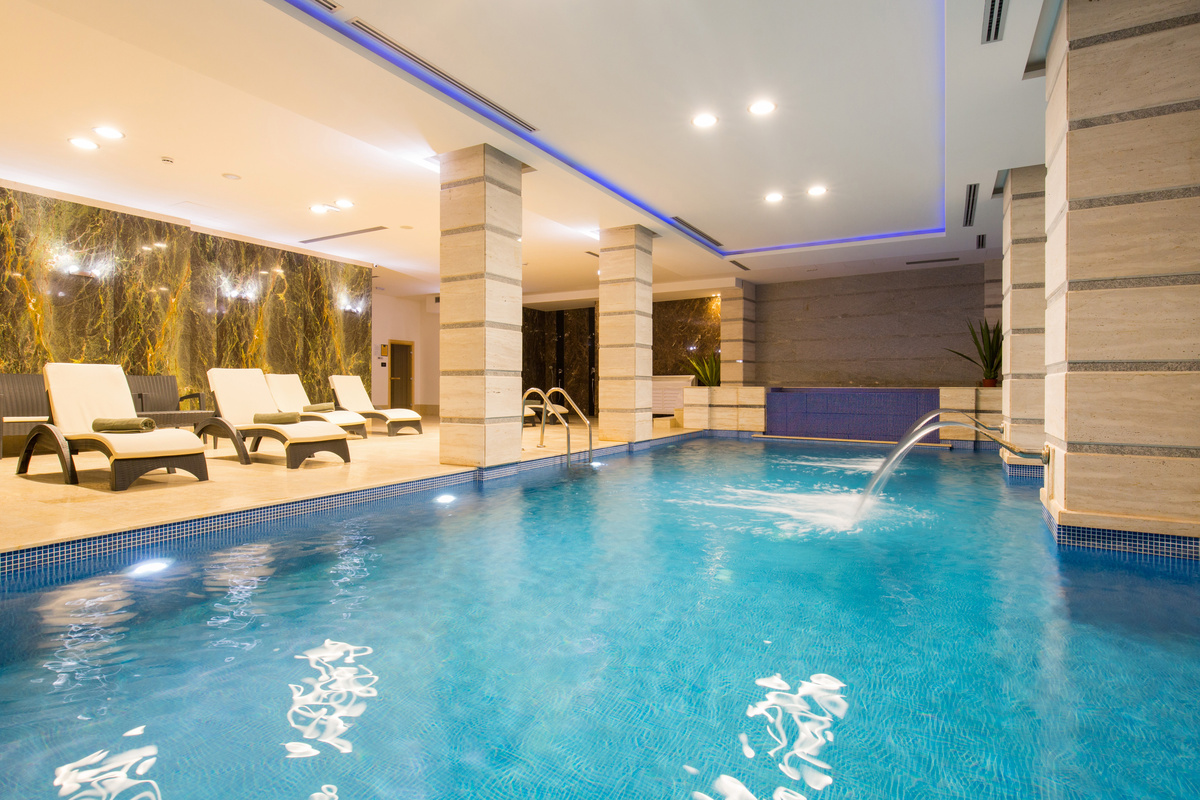
Hotel pool areas are meant to be places of relaxation, but pool decks are also one of the most common locations for slip and fall injuries. Wet surfaces, poor maintenance, and crowded conditions can quickly turn a vacation into a painful and stressful experience. When a pool deck accident happens, many injured guests are left wondering whether the hotel can be held legally responsible.
If you were hurt on a hotel pool deck, your first priority should always be your health. If you are injured, get checked out by a medical professional as soon as possible, even if your injuries seem minor. Prompt medical care protects your well-being and creates important documentation if you later pursue a claim. Understanding how hotel liability works can help you determine your next steps and protect your rights.
Common Causes of Hotel Pool Deck Accidents
Hotel pool decks are frequently exposed to water, sunscreen residue, spilled drinks, and foot traffic throughout the day. When these areas are not properly designed or maintained, dangerous conditions can develop quickly. Smooth or worn surfaces, missing non-slip coatings, and poor drainage often contribute to slip and fall accidents near pools.
Inadequate maintenance is another leading factor. Cracked tiles, loose coping stones, uneven deck surfaces, or algae buildup can create hazards that are not immediately obvious to guests. Pool decks may also become unsafe when hotels fail to clean up standing water promptly or allow debris to accumulate.
Crowding and poor supervision can further increase the risk of injury. During peak travel seasons, pool areas may become congested, making it difficult for guests to notice hazards. When hotels do not enforce safety rules or provide adequate staffing, accidents are more likely to occur.
When a Hotel May Be Liable for a Pool Deck Injury
Hotels owe guests a duty of care under Florida premises liability law. This means they are required to maintain their property in a reasonably safe condition and address hazards they know about or should reasonably know about. When a hotel fails to meet this obligation, it may be held liable for resulting injuries.
A hotel may be responsible if it failed to fix a known hazard, such as broken tiles or slippery surfaces, within a reasonable amount of time. Liability may also arise if the hotel failed to warn guests about dangerous conditions, such as freshly cleaned decks or areas prone to excessive water buildup.
Hotels can also be liable if they failed to follow applicable safety standards. This may include improper deck materials, lack of slip-resistant surfaces, inadequate lighting, or failure to comply with pool safety regulations. Establishing liability often depends on showing that the hotel’s negligence directly contributed to the accident.
Situations Where Liability May Be Disputed
Not every pool deck accident automatically results in hotel liability. Hotels and their insurance companies often argue that the hazard was open and obvious or that the injured guest should have exercised more caution. They may also claim the condition developed too quickly for staff to reasonably address it.
Comparative negligence may also play a role. If a guest was running, distracted, or ignoring posted safety signs, the hotel may argue that the guest shares some responsibility for the accident. Florida law allows injured individuals to pursue compensation even if they are partially at fault, though any recovery may be reduced based on their share of responsibility.
These disputes make it especially important to gather evidence and seek legal guidance. Surveillance footage, maintenance records, incident reports, and witness statements can be critical in determining whether a hotel acted negligently.
What to Do After a Hotel Pool Deck Accident
After seeking medical attention, report the accident to hotel management as soon as possible. Ask for an incident report and request a copy if available. Document the scene by taking photos or videos of the pool deck, including any visible hazards, warning signs, or lack thereof.
Preserve any evidence related to your injuries, including medical records, receipts, and documentation of missed work or disrupted travel plans. Avoid giving recorded statements to the hotel’s insurance company without understanding your rights, as these statements may later be used to minimize your claim.
Time limits apply to personal injury claims in Florida. The statute of limitations for a hotel pool deck accident is generally two years; however, the time frame is dependent on the unique details and factors surrounding your specific case. Speaking with an attorney early can help ensure deadlines are met and evidence is preserved.
Reach Out to Wooten, Kimbrough, Damaso, and Dennis, P.A.
Hotel pool deck accidents can cause serious injuries that disrupt vacations, work, and daily life. While hotels are not automatically responsible for every accident, they may be liable when unsafe conditions, poor maintenance, or inadequate warnings contribute to guest injuries. Understanding how liability works is an important step toward protecting yourself after an incident.
If you were injured on a hotel pool deck, focus first on your health and get checked out by a medical professional. Then, consider speaking with the Orlando personal injury lawyers at Wooten, Kimbrough, Damaso, and Dennis, P.A., who have been helping injured Floridians since 1966. To learn more about your options, reach out through our contact form to discuss your situation and protect your rights.

Legally Written and Reviewed by a Managing Partner
Wooten, Kimbrough, Damaso, and Dennis, P.A.
Our content is written and reviewed by our founding attorneys Butch Wooten, Orman Kimbrough, Mike Damaso, and Tom Dennis. Helping the injured since 1966, they’ve successfully handled thousands of personal injury cases across Florida. Whether you’re a Florida resident or an out-of-state visitor injured in Florida, we’re dedicated to providing clear and reliable information to help you navigate your legal options confidently.