




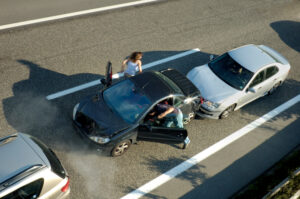
 Multi-vehicle pile-ups on Florida’s busy highways create complex liability scenarios where determining fault becomes a challenging puzzle with multiple moving pieces. When three, four, or even more vehicles collide in sequence, each driver’s actions contribute to the overall incident, making it difficult to assign responsibility and pursue compensation. Florida’s comparative negligence laws add an additional layer of complexity, as fault may be distributed among several parties rather than assigned to a single at-fault driver.
If you’ve been injured in a multi-vehicle accident, understanding how liability works in these complicated cases is essential for protecting your rights and getting fair compensation. The experienced Orlando injury lawyers at Wooten, Kimbrough, Damaso, and Dennis, P.A. have been navigating these intricate cases for over 60 years, helping accident victims understand their options and pursue the compensation they deserve.
How Florida Determines Fault in Multi-Vehicle Accidents
Florida follows a comparative negligence system, which means each driver involved in a multi-vehicle pile-up may bear a percentage of fault for the accident. Insurance companies and courts examine the actions of every driver leading up to and during the collision to assign fault percentages. For example, if Driver A was speeding, Driver B was following too closely, and Driver C was texting while driving, each may be assigned different percentages of fault based on how their actions contributed to the crash.
A meticulous investigation of the accident scene is the initial step in the process, including police reports, witness statements, traffic camera footage, and vehicle damage patterns. Accident reconstruction specialists often analyze skid marks, impact points, and vehicle trajectories to determine the sequence of events and each driver’s role in causing the collision.
Common Causes of Multi-Vehicle Pile-Ups
Several factors frequently contribute to multi-vehicle accidents on Florida highways. Poor weather conditions, particularly sudden rainstorms or fog, can reduce visibility and make roads slippery, causing multiple vehicles to lose control or collide in rapid succession. Heavy traffic congestion also increases the likelihood of chain-reaction accidents, as drivers have less time to react when the vehicle ahead stops suddenly.
Distracted driving, including texting, eating, or adjusting GPS devices, prevents drivers from noticing changes in traffic patterns until it’s too late to avoid a collision. Aggressive driving behaviors such as tailgating, excessive speeding, or frequent lane changes create dangerous conditions where one driver’s mistake can trigger a multi-vehicle crash. Mechanical failures, such as brake malfunctions or tire blowouts, can also set off a chain reaction involving multiple innocent drivers.
Challenges in Proving Liability
Multi-vehicle accidents present unique challenges when establishing liability because the initial cause of the accident may not be immediately apparent. The driver who caused the first collision may not be the same person who caused your specific injuries, particularly if you were struck by a different vehicle later in the sequence. Insurance companies often attempt to shift blame between multiple parties to minimize their own clients’ responsibility and reduce claim payouts.
Gathering sufficient evidence becomes more complex with additional vehicles and drivers involved. Each insurance company conducts its own investigation, potentially leading to conflicting conclusions about fault distribution. Our attorneys work diligently to preserve crucial evidence, interview all parties involved, and reconstruct the accident to establish a clear picture of how events unfolded and who should be held responsible for your injuries.
How Insurance Coverage Works in Multi-Vehicle Cases
Florida’s no-fault insurance system requires each driver to carry Personal Injury Protection (PIP) coverage, which pays for medical expenses and lost income regardless of fault. However, PIP coverage is limited and may not cover all your damages in a serious multi-vehicle accident. If your injuries exceed the PIP threshold, you may be able to pursue claims against multiple at-fault drivers and their insurance policies.
The challenge lies in determining which insurance policies apply and in what order. If one at-fault driver has insufficient coverage, you may need to pursue compensation from other responsible parties or tap into your own underinsured motorist coverage. Having multiple potentially liable parties can actually work to your advantage, as it increases the total insurance coverage available to compensate you for your injuries, but it also complicates the claims process significantly.
Contact Wooten, Kimbrough, Damaso & Dennis, P.A.
Multi-vehicle pile-ups create complicated legal scenarios that require thorough investigation and skilled legal representation to ensure you receive fair compensation for your injuries. The interplay between Florida’s comparative negligence laws, multiple insurance policies, and complex accident dynamics means that having experienced legal counsel is essential for protecting your interests and maximizing your recovery.
Our Orlando personal injury attorneys at Wooten, Kimbrough, Damaso & Dennis, P.A. have been helping accident victims navigate complex multi-vehicle cases since 1966, bringing over 60 years of combined experience to each case we handle. We understand how to investigate these complicated accidents, work with accident reconstruction specialists, and negotiate with multiple insurance companies to secure the compensation our clients deserve. Don’t let the complexity of your multi-vehicle accident prevent you from seeking justice—contact our experienced legal team today to discuss your case and learn how we can help you move forward.
Legally Written and Reviewed by a Managing Partner
Wooten, Kimbrough, Damaso & Dennis, P.A.
Our content is written and reviewed by our founding attorneys Butch Wooten, Orman Kimbrough, Mike Damaso, and Tom Dennis. Helping the injured since 1966, they’ve successfully handled thousands of personal injury cases across Florida. Whether you’re a Florida resident or an out-of-state visitor injured in Florida, we’re dedicated to providing clear and reliable information to help you navigate your legal options confidently.